


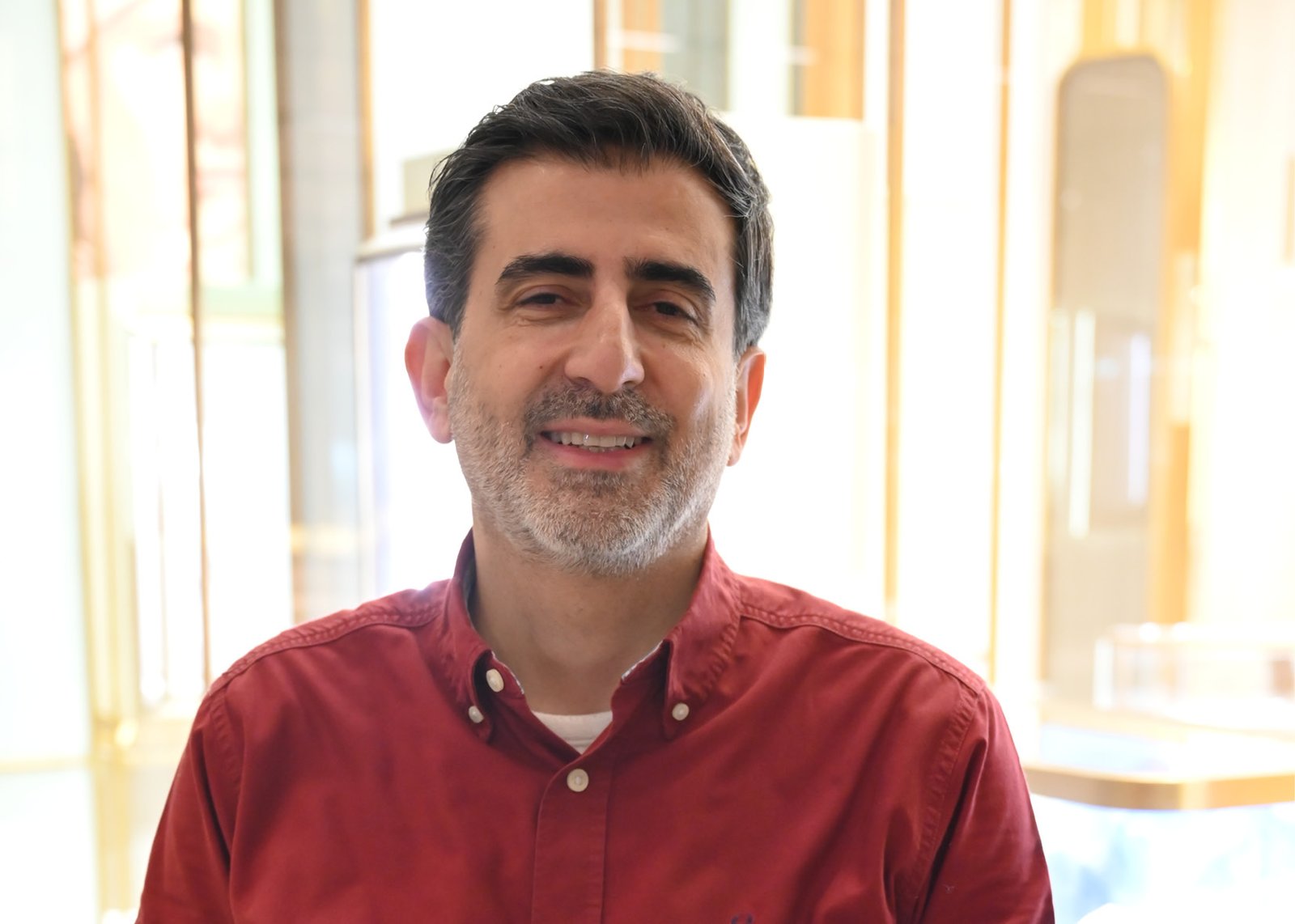
Venture investor Samer Choucair revealed critical developments shaking global investment markets, following the announcement by five of the world’s largest financial giants—BlackRock, Blue Owl, Morgan Stanley, Apollo, and Ares—that they had imposed strict withdrawal limits on investor withdrawals from private credit funds in March.
Choucair explained that this move serves as a strong warning signal of increasing liquidity pressures in a $2 trillion market, demanding full alertness from Arab and Gulf investors.
According to financial data analyzed by Choucair, the Apollo Debt Solutions Fund (valued at $15 billion) faced withdrawal requests totaling 11.2% of its shares, exceeding twice the quarterly withdrawal limit of 5%. As a result, the company decided to return only 45 cents for every dollar requested. Similarly, the Ares Strategic Income Fund faced similar withdrawal requests at 11.6%, which were capped at 5%, alongside similar actions from other major firms to protect asset values.
—
Causes of the Crisis from an Investment Perspective
Choucair attributed this wave of withdrawal requests to several strategic factors, the most notable being investors’ desire for quick liquidity that exceeds the structure of funds dependent on illiquid assets (private loans to companies).
He added that the rising interest rates are pressuring borrowing companies, particularly in the software and technology sectors. The accelerating effects of artificial intelligence have made some traditional loans riskier, prompting investors to seek cash refuges.
Choucair remarked,
“We’re not talking about a widespread collapse, but a true test of liquidity in a market that was once classified as relatively safe. These restrictions remind us of the signs of the 2008 real estate crisis, but today it’s more complex due to the nature of the unregulated private credit market.”
—
Risks and Impacts on Regional Investors
Choucair warned that the current risks include long waiting periods for funds due to liquidity constraints and the potential decrease in the value of original investments. He specifically cautioned about the impact on Gulf-based institutional investors and family offices that have turned to private credit funds as an alternative investment to diversify portfolios away from oil. He stressed the need for an immediate reassessment of exposure to these assets.
—
Samer Choucair’s Recommendations for Protecting Wealth in 2026
Choucair offered several practical recommendations for investors to navigate this phase:
Review Investment Portfolios: Ensure that exposure to private credit does not exceed 10% to 15% of the total portfolio.
Prioritize Liquidity: Shift focus to high-liquidity assets such as Gulf government bonds, gold, and leading stocks.
Leverage Local Opportunities: Take advantage of Saudi Arabia’s Vision 2030 projects, especially in infrastructure, renewable energy, and local technology sectors as safer and more sustainable alternatives.
Diversify Qualitatively: Seek opportunities in Gulf real estate and exchange-traded funds (ETFs) focused on recurring income.
Choucair concluded by asserting that these developments could mark the beginning of a significant correction in private debt markets. He emphasized,
“Crises create opportunities for those with vision and readiness,” and urged investors to adopt long-term investment strategies based on scientific planning, away from temporary media hype.