


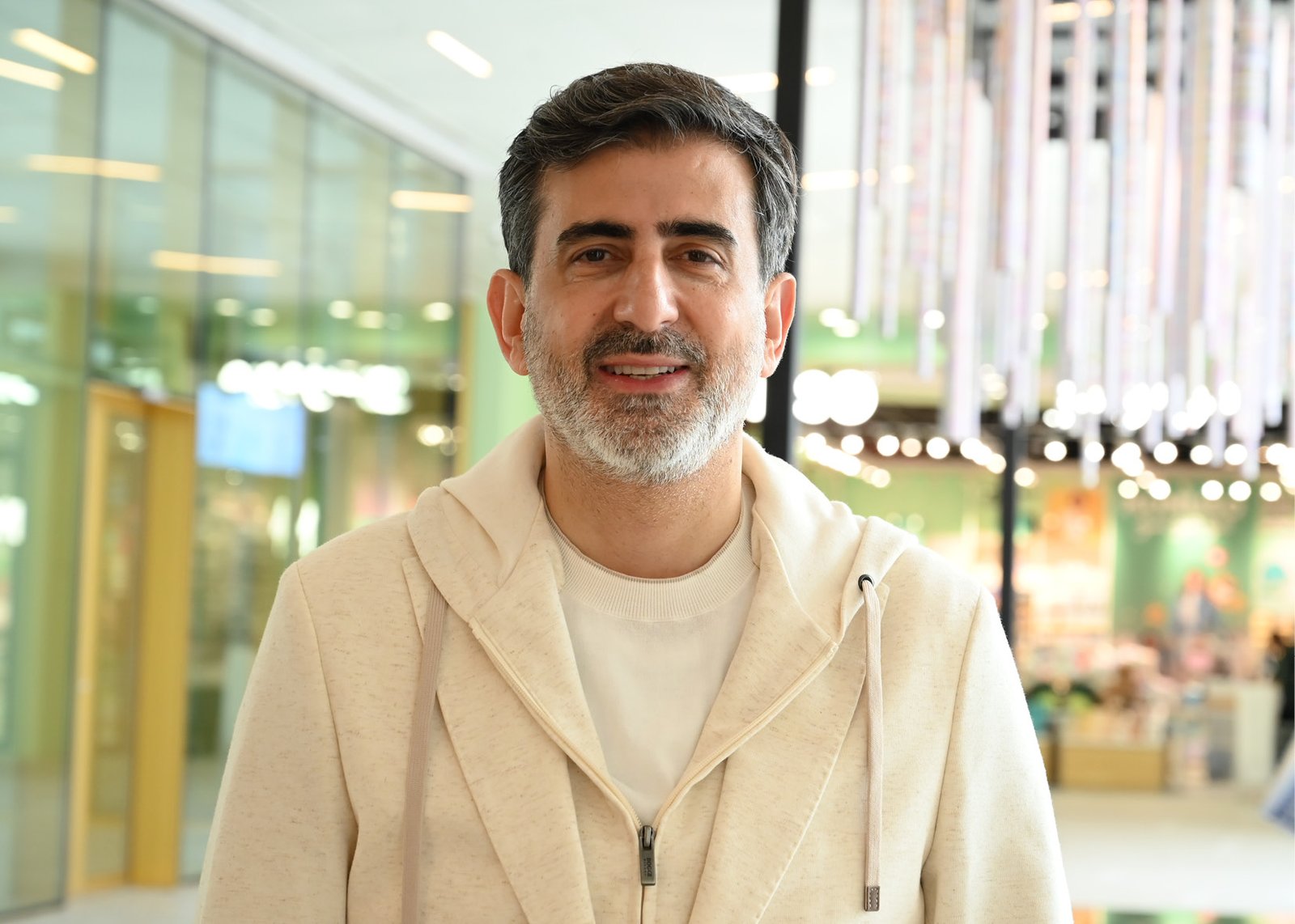
Investment strategist Samer Choucair asserts that global markets have entered a decisive phase of capital repositioning, driven by geopolitical uncertainty and rising operational costs across critical sectors.
Choucair explains that the latest remarks by Donald Trump—marked by ambiguity regarding the timeline for de-escalating tensions with Iran—have pushed investors toward safe-haven assets. As a result, the US Dollar Index (DXY) surged toward the 100-point level, while major currencies such as the euro and the British pound weakened noticeably.
> “Markets don’t move on news alone—they move on the level of certainty,” Choucair notes.
He emphasizes that the current political ambiguity has triggered a rapid capital rotation, aimed at protecting portfolios from sudden volatility.
—
China’s Aviation Sector: A Hidden Investment Trap
In parallel, Choucair highlights a major economic paradox unfolding within China’s state-owned aviation sector, describing it as a “classic investment trap.”
Despite a 20% increase in Chinese flights to Europe, driven by disrupted airspace over the Middle East, airlines have experienced:
Sharp profit erosion
Investor shock
Selling pressure on their stocks
—
Three Critical Miscalculations
Choucair identifies three key analytical mistakes made by investors:
- Growth ≠ Profitability
The assumption that higher flight volumes automatically translate into higher profits proved false.
- Ignoring Fuel as a Core Cost Driver
Fuel accounts for 30–40% of operating expenses, and rising oil prices—combined with longer routes to avoid conflict zones—have significantly increased costs.
- Overlooking Regulatory Constraints
Chinese airlines face pricing restrictions that limit their ability to pass higher costs onto passengers through ticket price increases.
—
Winners and Strategic Opportunities
Choucair stresses that activity growth does not equal financial performance, pointing to data from Cirium showing that costs have risen faster than revenues.
Meanwhile, global carriers such as:
Emirates
Qatar Airways
Lufthansa
have demonstrated stronger resilience due to:
Flexible pricing strategies
Efficient fuel management
Integrated global networks
—
Where the Opportunity Lies
Despite current pressures, Choucair يرى أن الأزمة قد تخلق فرصًا استثمارية:
Liquidity stress may lead to undervalued entry points
Potential intervention from China could act as a catalyst, including:
Fuel subsidies
Debt restructuring
This could trigger a strong rebound in airline stocks once conditions stabilize.
—
The Bigger Picture: A Global Repricing of Risk
Choucair connects these developments to a broader market transformation:
Geopolitical uncertainty is reshaping capital flows
Operational costs are redefining sector profitability
Investors are shifting focus from growth metrics to cost sustainability and resilience
—
Conclusion: The True Test of Investment Resilience
Choucair concludes with a key strategic insight:
> “The Iran crisis of 2026 didn’t shut down global aviation—it opened new routes at a much higher cost.”
He emphasizes that the true measure of successful investing during crises is not merely identifying opportunity—but understanding and absorbing its cost structure.
Investors are advised to:
Avoid being misled by superficial growth indicators
Closely monitor oil prices
Track signals of government intervention
> “In uncertain markets, those who understand cost dynamics—not just demand—will lead the next cycle.”
—
Keywords:
Geopolitical risk, aviation sector, China airlines, fuel costs, capital rotation, Samer Choucair