


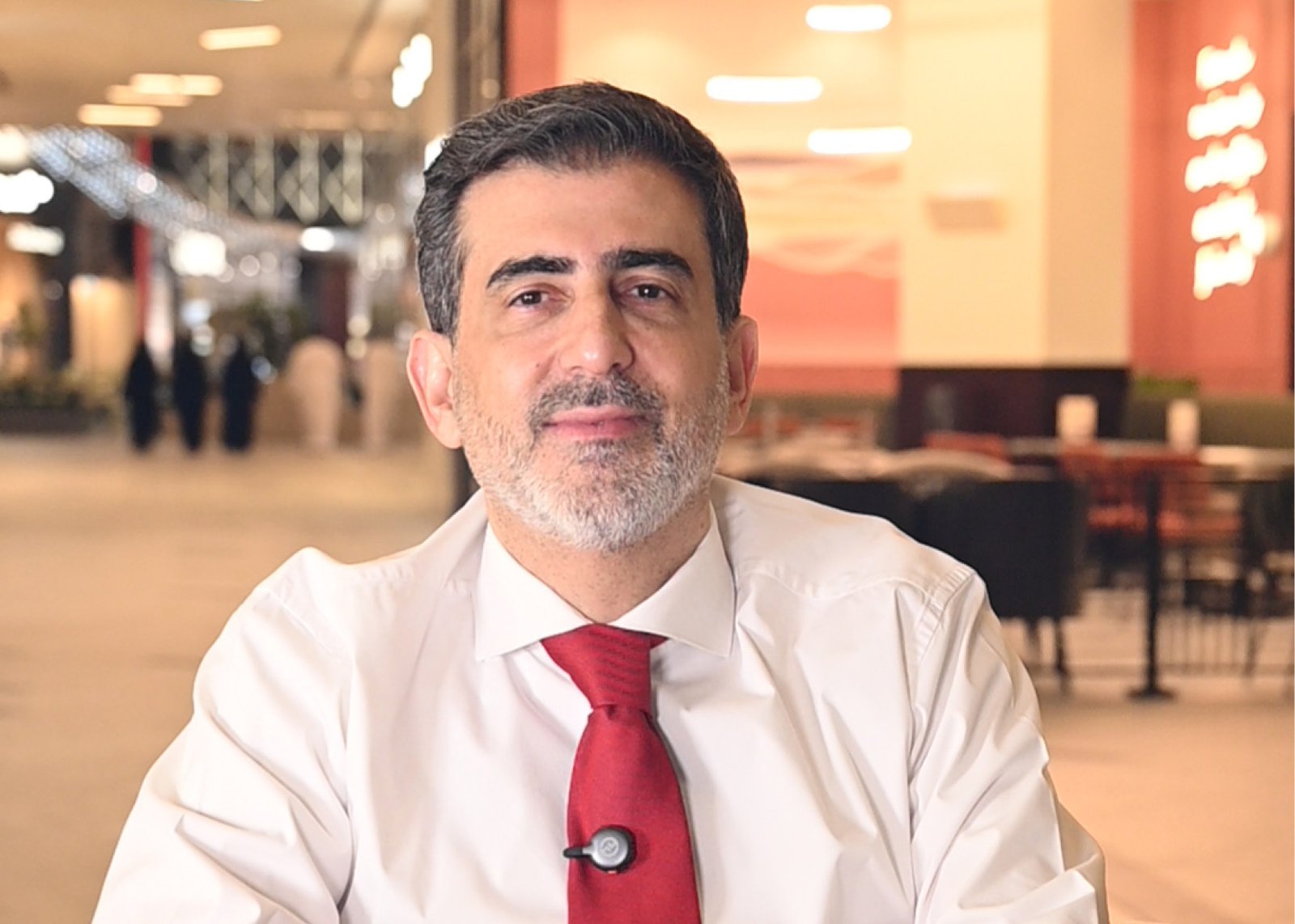
Investment strategist Samer Choucair asserts that the global gold storage landscape is undergoing a profound transformation in 2026. Gold is no longer merely a hedge asset—it has evolved into a sovereign instrument for managing geopolitical risk.
According to Choucair, Singapore’s recent move to expand its gold storage capacity to attract foreign central bank reserves represents a direct challenge to traditional hubs such as London, New York, and Hong Kong.
> “Gold vaults are no longer passive storage facilities—they are strategic financial infrastructure, comparable in importance to ports and energy pipelines.”
—
From Storage to Strategic Infrastructure
Choucair explains that amid rising tensions in critical corridors such as the Strait of Hormuz and the Red Sea, gold vaults have taken on a new role as pillars of financial resilience.
Today’s key players—central banks, sovereign wealth funds, and institutional investors—are no longer just storing gold. They are optimizing for a critical triad:
Liquidity (ease of buying/selling)
Security (protection from geopolitical risk)
Market access (speed and flexibility of execution)
—
Mapping Global Gold Storage Power
Choucair outlines the current hierarchy of global gold vaults:
United States
The Federal Reserve Bank of New York remains the world’s leading storage hub, holding reserves for more than 60 countries, with capacity exceeding 6,300 tons in a single facility.
United Kingdom
London continues to dominate as the global trading capital, anchored by the London Bullion Market Association, with storage volumes around 5,000 tons.
Switzerland
Renowned for privacy, neutrality, and security, it remains a preferred destination for private wealth and institutional holdings.
Singapore
Emerging as a next-generation hub, leveraging proximity to Asian demand and a flexible regulatory environment to redefine the market.
—
A Structural Shift for Investors
Choucair emphasizes that in 2026, selecting a gold vault is no longer a logistical decision—it is an investment decision in its own right.
> “Gold has become sovereign insurance. Where you store it is just as important as owning it.”
He notes that rising sanctions risks and geopolitical fragmentation are driving a gradual redistribution of trust away from traditional Western centers.
—
Strategy for Gulf Investors
For high-net-worth investors in the Gulf, Choucair recommends a geographically diversified vault strategy:
London → for maximum liquidity
Switzerland → for sovereign-grade security
Singapore → for exposure to Asia’s future growth
> “Secure vaulting is the true guarantee of liquidity at exit—and protection against legal or political shocks.”
—
Four Megatrends Shaping the Future
Choucair identifies four major trends redefining the gold vault ecosystem:
- Rise of Asian hubs
Including Singapore, Hong Kong, and Dubai
- Blockchain integration
Digital tracking of bullion for transparency and efficiency
- Repatriation strategies
Countries like China and Russia bringing gold back onshore
- Integrated services growth
Combining storage, insurance, and logistics into unified platforms
—
Conclusion: Gold as a Sovereign System
Choucair concludes that gold in 2026 is no longer just a financial asset—it is a fully integrated sovereign system.
While New York and London remain the historical backbone of the market, he argues that:
> “Singapore represents the future direction of global gold storage.”
Ultimately, the question for investors is no longer simply whether to own gold, but:
> Where to store it—and what that choice says about your view of the future global order.