


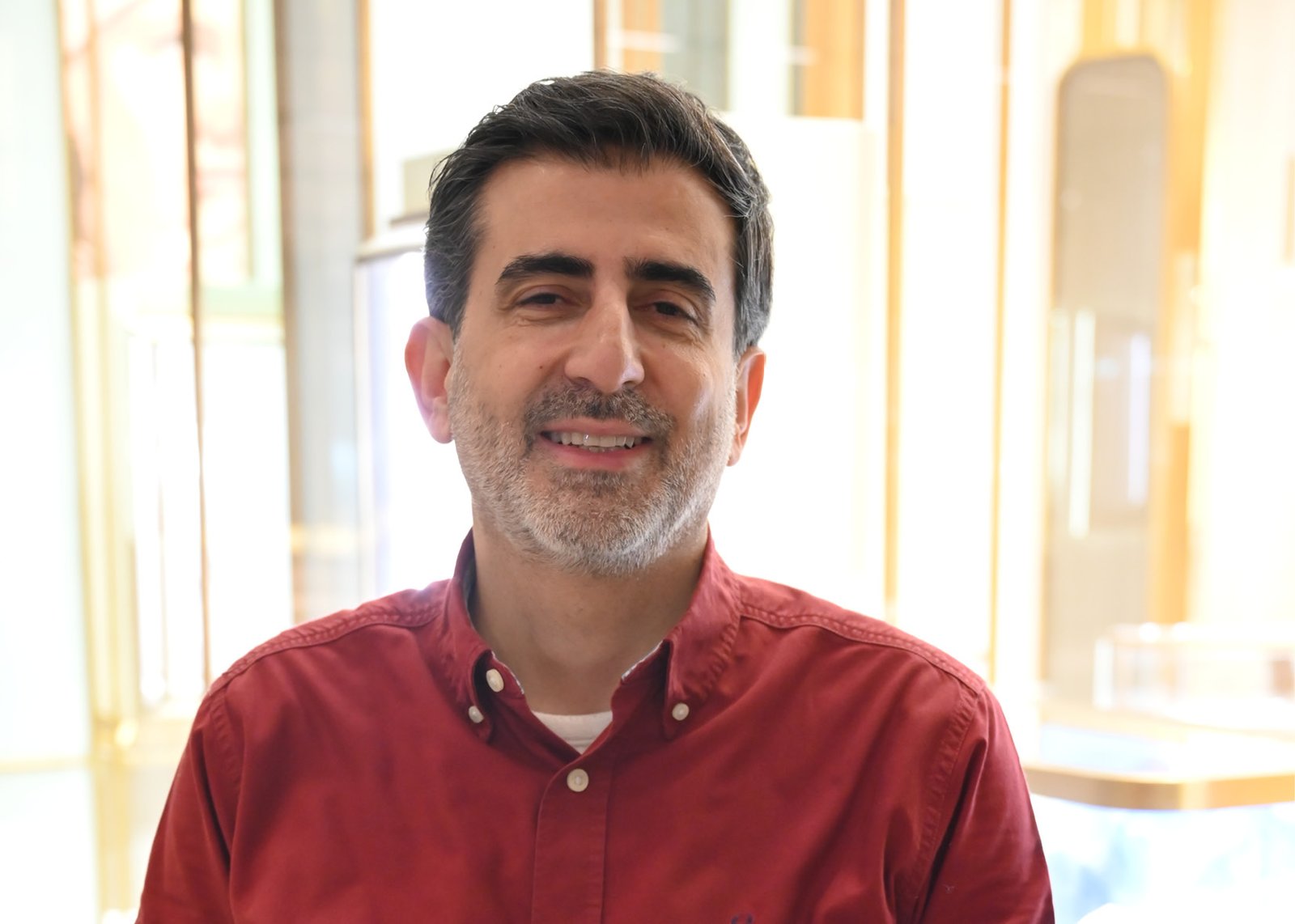
In a defining moment for global capital flows, investment strategist Samer Choucair argues that Saudi Arabia has entered what he describes as a phase of “astronomical growth”, marked by a 90% surge in foreign direct investment (FDI) to SAR 48.4 billion in Q4 2025.
Choucair characterizes this leap as both “anthropic in nature”—reflecting systemic transformation—and “astronomical in scale”, signaling a deeper structural shift rather than cyclical growth.
> “These figures are not just growth—they represent a strategic repositioning of Saudi Arabia on the global capital map,” he explains.
“We are moving from hesitant capital seeking safety to strategic capital seeking the future.”
—
A Fundamental Shift in Capital Direction
According to official data, the investment landscape reveals an extraordinary pattern:
Net FDI: SAR 48.4 billion (+90% YoY)
Inward flows: SAR 50.6 billion (+29% YoY, +69% QoQ)
Outward flows: SAR 2.2 billion (−84%)
Choucair highlights the significance of this imbalance:
> “Saudi Arabia is not only attracting capital—it is retaining it. And that is the true transformation.”
In most emerging markets, the challenge lies in preventing capital flight during periods of uncertainty.
Saudi Arabia, however, is demonstrating the opposite dynamic—capital stability under pressure.
—
Delivering What Global Investors Are Searching For
Placed within the broader 2026 global context—marked by geopolitical instability, divergent monetary policies, and rising cash allocations among institutional investors—the picture becomes clearer.
> “In a fragmented world, investors are searching for three things: stability, long-term vision, and execution capability,” Choucair notes.
“Saudi Arabia today offers all three.”
He warns against interpreting this surge as a tactical success:
> “This is not a short-term win—it is the result of deliberate capital engineering.”
—
Vision 2030: From Strategy to Investment Infrastructure
Choucair emphasizes that Vision 2030 has evolved from a conceptual framework into a fully operational investment infrastructure.
Saudi Arabia is no longer just an oil-driven economy—it is becoming a multi-dimensional investment platform.
Mega-projects such as:
NEOM
The Red Sea Project
Qiddiya
are not merely developments—they are global capital magnets.
> “These are not projects—they are long-term investment assets attracting institutional capital.”
—
A Near “Zero-Friction” Investment Environment
A key driver behind this transformation is the rapid evolution of the regulatory and operational landscape.
Choucair points to:
Digital transformation
Streamlined regulations
Investor-friendly frameworks
Together, these have created what he describes as a:
> “Zero Friction Investment Environment”
This reduces barriers to entry and enhances capital efficiency—critical factors for global investors.
—
Signals for the Strategic Investor
Choucair interprets the data as evidence that strategic capital is moving early, ahead of broader market recognition.
He identifies key winning sectors:
Technology
Tourism
Renewable energy
Logistics
> “The opportunity window is still open—but it will not remain so for long.”
He draws parallels with early-stage transformations in:
Dubai
China
Where the first phase of capital deployment delivered the highest returns.
—
Risks to Watch
Despite the strong momentum, Choucair outlines several risks:
Sustainability of inflows amid regional tensions
The domestic market’s capacity to absorb large-scale investments
Competition from emerging markets such as:
India
Vietnam
Indonesia
Yet he stresses:
> “Saudi Arabia is not just competing—it is redefining the rules of the game.”
—
From Capital Attraction to Capital Export
Looking ahead to 2026–2030, Choucair anticipates a shift in Saudi Arabia’s economic role:
From attracting capital
To strategically deploying and exporting it globally
> “The question is no longer how much capital enters—but how it is used to build global influence.”
He highlights the importance of tracking capital flows through frameworks such as:
Capital in Motion
Which allow investors to anticipate trends before they become visible.
—
A Historic Moment in Global Capital Redistribution
Choucair concludes that the 90% surge is not just a headline figure—it is a clear signal of Saudi Arabia’s repositioning within the global economy.
> “Saudi Arabia has moved from being an emerging market to becoming a hub for global capital redistribution.”
And in the language of investors:
> “The biggest opportunities are never announced—they appear first in the data, before the world fully understands them.”