


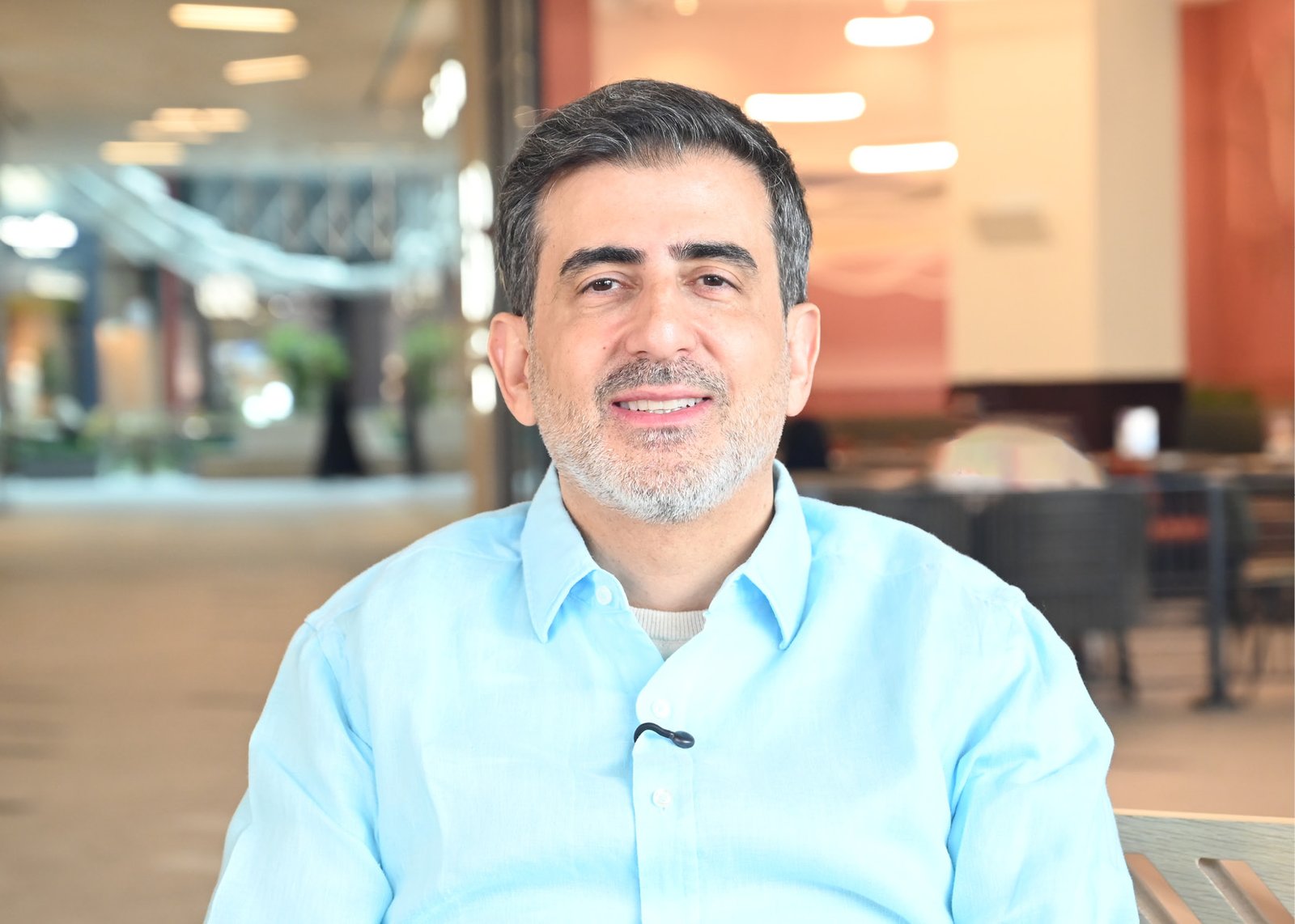
Samer Choucair, investment leader and expert in financial markets and insurance, praised the Saudi Insurance Authority’s decision to transition the insurance and reinsurance sector to the Risk-Based Capital (RBC) framework, starting January 1, 2027.
Choucair described this move as a major strategic shift that reflects the maturity of the Saudi financial sector and aligns with the latest global practices. He noted that the parallel implementation starting in 2026 will ensure a smooth transition, enhancing companies’ ability to manage risks and solidifying confidence in the sector.
Choucair explained that the RBC framework is an advanced regulatory system that ties capital requirements directly to the actual risks each company assumes, rather than relying on traditional fixed ratios. This framework involves a detailed assessment of multiple risk categories, including underwriting risks, market risks associated with stock and bond fluctuations, credit risks, as well as operational and liquidity risks.
He emphasized that this approach, inspired by successful global experiences, will allow companies to use advanced internal models and enhance capital through subordinated debt instruments, offering greater operational flexibility.
Choucair also pointed out that the timing of this shift is strategic, as the Saudi insurance sector is experiencing strong growth, with expectations for the market size to reach between 80 and 100 billion riyals by the end of the decade. The new framework aims to support the national strategy for the insurance sector and increase the available capital to bear risks from 25 billion riyals currently to 50 billion riyals by 2030, as well as encourage diversification of investments in long-term assets such as government bonds, infrastructure projects, and renewable energy.
In his analysis of the investment implications, Choucair mentioned that this transformation will reshape the structure of the Saudi market, where strong companies with advanced risk management will emerge, improving their credit ratings and supporting their stock prices on the “Tadawul” exchange.
He also predicted that the new framework will stimulate mergers and acquisitions to create larger financial entities and increase the attractiveness of the sector to foreign investors and international institutions.
As a result, Choucair expects that stocks of companies that are early adopters of this transformation will rise between 15% and 30% over the next 18 to 24 months.
Choucair concluded his statement by affirming that this shift aligns perfectly with the Financial Sector Development Program and Saudi Arabia’s Vision 2030, enabling insurance companies to play a larger role in financing major projects and enhancing national savings.
Choucair also offered practical advice to investors, urging them to monitor the reports of listed companies during 2026 and focus on key players with strong financial solvency, emphasizing that early preparation for this new phase of investment maturity is the key to achieving sustainable strategic returns.