


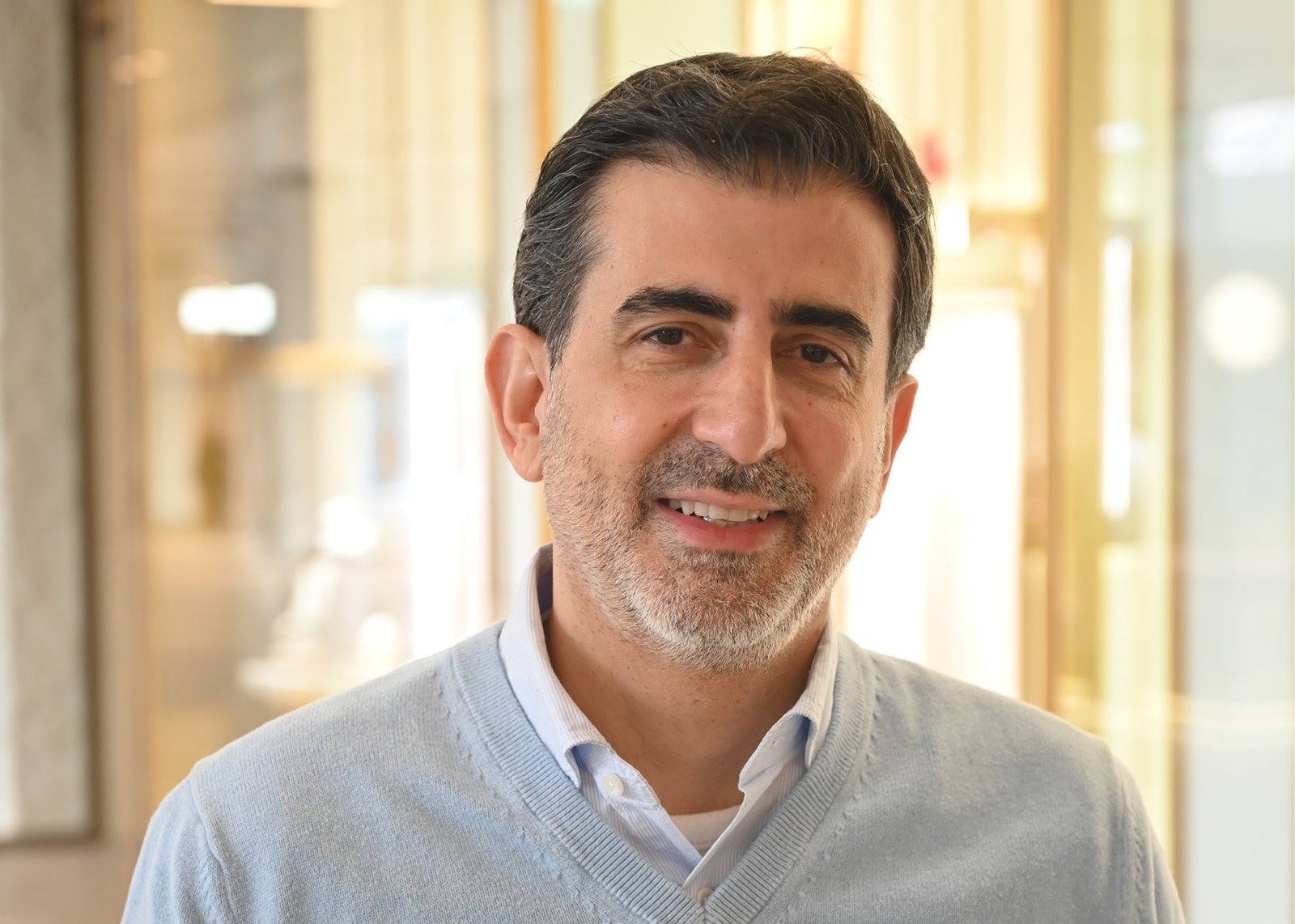
In a sweeping analytical reading of the global financial landscape, prominent investment entrepreneur Samer Choucair shed light on the structural transformations in the private credit market, warning that the very advantages that propelled this sector to prominence are now evolving into systemic macroeconomic vulnerabilities that could threaten the stability of the global financial system.
Choucair based his analysis on the contentious debates sparked by the latest Bloomberg Business report, which hosted former Federal Reserve Governor Daniel Tarullo to examine the mounting challenges facing major private credit funds.
From 500 Billion to 1.8 Trillion Dollars The Rise of a Financial Skyscraper
Choucair explained that private credit has evolved from an alternative financing tool into a financial giant approaching 2 trillion dollars by 2026. He attributed this meteoric rise to Basel III regulations, which constrained traditional banks, alongside growing demand from sovereign wealth funds and pension funds seeking stable yields.
Choucair stated:
“Flexibility, exclusivity, and the illiquidity premium were the key forces attracting investors. However, in the 2026 environment, these very elements are beginning to reverse under mounting redemption pressures.”
Dissecting the Bloomberg Report Tarullo’s Existential Questions
Choucair highlighted the core issues raised by Daniel Tarullo, emphasizing their direct relevance to economic stability:
Back leverage
To what extent are private credit funds borrowing to finance their lending activities. Rising leverage significantly amplifies risk in the event of borrower defaults.
The diminishing role of banks
Tarullo warned that banks may be unable to fill the credit gap if these funds falter, due to ongoing regulatory constraints.
Investor exposure
The degree to which institutions and individuals truly understand the long term nature of these commitments amid volatile market conditions.
Macroeconomic Fallout Are We Facing Financial Contagion
From a macroeconomic perspective, Choucair outlined four major risks threatening global growth:
Financing contraction
A disruption in private credit funds could choke off a critical funding lifeline for small and medium sized enterprises, leading to rising unemployment.
Unmonitored systemic risk
Private credit operates largely in the shadows, beyond the immediate oversight of regulators, making early detection of crises significantly more difficult.
Monetary policy disruption
Central banks may be forced to intervene to stabilize credit markets, potentially undermining their efforts to combat inflation.
Impact on emerging markets
Gulf economies such as Saudi Arabia, the United Arab Emirates, and Qatar, which increasingly rely on private credit to finance Vision 2030 projects, could face liquidity shocks tied to global market volatility.
Samer Choucair’s Investment Playbook for 2026
Choucair offered pragmatic guidance for portfolio management in this complex environment:
“Private credit remains a powerful instrument, but caution must prevail. Investors should rigorously assess debt to capital ratios within funds and prioritize defensive sectors such as infrastructure and energy. In the Gulf specifically, we recommend limiting private credit exposure to no more than 10 to 15 percent of the portfolio, while ensuring diversification across government bonds and blue chip equities.”
Conclusion
Choucair concluded by emphasizing that financial innovation must be matched with transparency:
“Those who understand today’s risks will reap tomorrow’s returns.”
He called for enhanced regulatory oversight of the sector to ensure that private credit continues to serve as a pillar of economic growth rather than a ticking time bomb at the heart of the global financial system.