


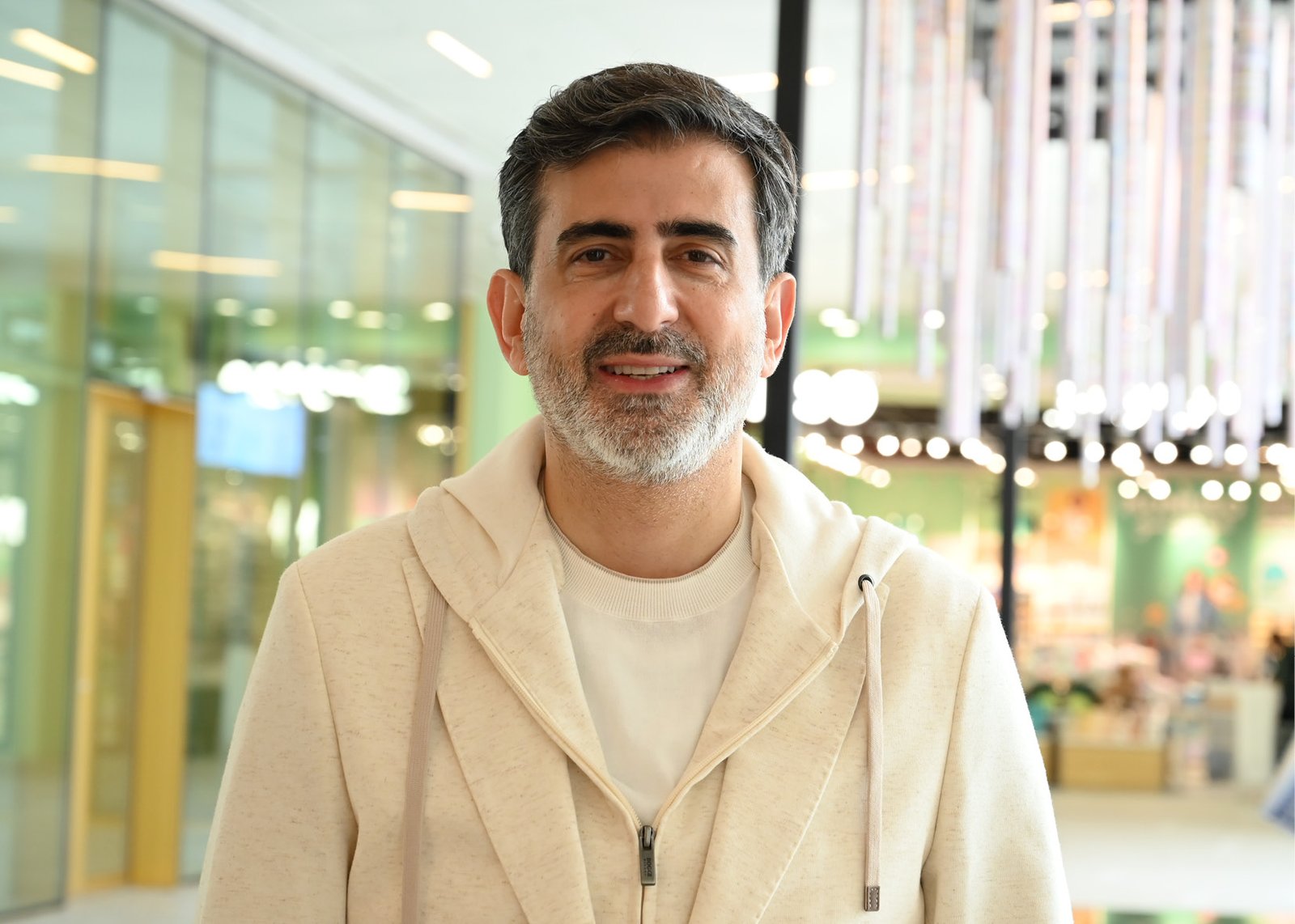
Investment leader Samer Choucair revealed that WTI crude oil surged to $111.36 per barrel, marking a daily gain of +12.60% (+$12.46), which he emphasized is not just a regular rise, but a historic jump from about $67 to over $110 in just one month.
Choucair pointed out that the technical analysis of WTI CFDs shows a remarkable shift from modest red candles to a massive upward movement that breaks through all resistance levels. He clarified that this surge is driven by “real geopolitical fears and not just hype, as some might call it.”
—
Reasons Behind the Oil’s Explosive Rise
Choucair explained that the primary reason for this surge is clear: the escalating U.S.-Iran tensions. He stated that the Strait of Hormuz, which accounts for about 21% of global oil supplies, has become a real hotspot, raising concerns about supply disruptions.
He also highlighted that OPEC+ production cuts have reduced supply, while Asian demand has continued to rise despite high prices. Additionally, the weakness of the dollar in certain sessions made oil more attractive to foreign buyers, leading to unprecedented buying from traders and institutions.
—
“We Need Oil Below $90” – The Impact of Oil Prices on the Global Economy
As an investment leader with over 20 years of market experience, Choucair noted that such a rise in oil prices isn’t good news for the global economy. He explained,
“Every extra dollar in the price of a barrel means higher transportation and shipping costs, increased fuel prices at stations, imported inflation on goods and services, and pressure on profit margins for industrial and logistics companies.”
He warned that the global economy is still recovering from past crises like inflation between 2022 and 2023, trade wars, and rising interest rates. He added that continued rising oil prices threaten to reignite inflation and force central banks to delay interest rate cuts or even raise them again.
—
Oil Outperforming All Markets… Even Bitcoin!
Choucair observed that oil is emerging as an unexpected winner after the volatility of stocks, cryptocurrencies, and gold.
“This near-vertical rise reminds us that commodities are still the market’s king in times of geopolitical tension,” he said.
He stressed that investors should treat oil as a strategic tool, not just as a short-term speculative asset.
—
Investment Opportunities in Oil—Practical Advice from Samer Choucair
Choucair provided the following key recommendations for investors:
WTI CFDs: Suitable for short-term traders with a strict stop-loss strategy due to extreme volatility.
Long-term Investment: Major oil companies like Exxon, Chevron, and Aramco, as well as oil ETFs, are excellent choices if you have a 12-24 month horizon.
Hedging: For investors in stocks or real estate, consider allocating 5-10% of the portfolio to energy commodities as protection against inflation.
Diversification: Don’t bet everything on oil alone. Combine it with gold, silver, and energy-linked cryptocurrencies like green tokens.
Choucair warned about the speed of the market’s movements, adding,
“Any sudden peace agreement or easing of sanctions could lead to a sharp price correction downward.”
—
Oil Price Predictions for 2026
Choucair forecasted that oil will likely stay above $100 as long as tensions persist in the Middle East. He said,
“However, the strategic target should be returning to the $80-90 range to ensure sustainable economic growth.”
He explained that the potential scenario depends on geopolitical stability:
If stability returns, we may see a rapid drop to $85-95 by the end of 2026.
If tensions continue, prices could reach $120-130 per barrel.
—
Oil: The Lifeblood of the Economy
Choucair concluded his analysis by stating,
“What we are witnessing today is not just a price movement, but a reminder that geopolitics controls the markets more than we realize.”
He added,
“As an investor, I advise everyone to monitor the news from the Strait of Hormuz daily, manage risks intelligently, and seize opportunities without getting carried away by irrational surges.”
Choucair emphasized that oil is not just a commodity; it is the lifeblood of the global economy, determining the stability of markets and economies in times of tension.