


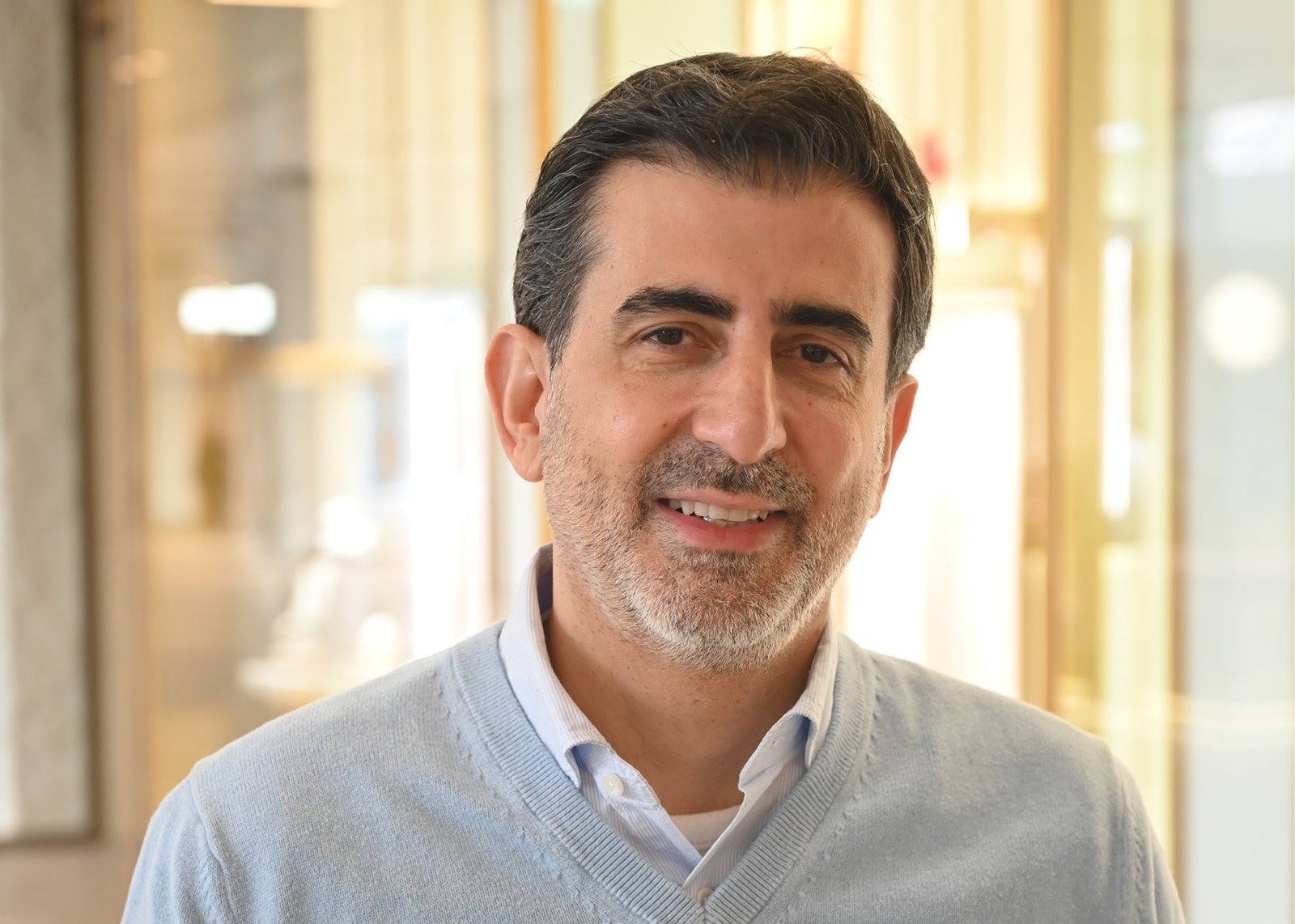
Investment entrepreneur Samer Choucair believes that the rise of what is increasingly being described as the “great digital crackdown” in 2026 is forcing investors to rethink how they approach markets such as Russia and China. However, he cautions that a surface level reading of these developments can lead to the wrong conclusions.
Digital Crackdown: Risk or a Signal of Stability
At first glance, tightening control over digital platforms may appear to be a clear warning sign for investors. Yet Choucair challenges this assumption.
“The instinctive reaction is to step back,” he explains. “But the reality is quite the opposite. These measures show that governments are not loosening their grip on the digital space. That, in many cases, enhances stability and creates a more predictable environment for strategic sectors.”
Russia: Unprecedented Tightening of the Internet
Choucair points to recent developments in Russia as a clear example of this shift. A March 2026 Reuters report titled “Great Crackdown” highlights a fundamental transformation in the country’s internet policies.
Authorities have introduced sweeping restrictions, including periodic disruptions to mobile internet in major cities such as Moscow and Saint Petersburg. Messaging platforms have also been heavily affected, with a full ban on WhatsApp, restrictions on Telegram, and the shutdown of more than 400 VPN networks. In addition, federal security agencies have been granted direct authority to cut off user connectivity when necessary.
Everyday Impact: An Economy Under Digital Pressure
These policies are not abstract. They are shaping daily life and economic activity.
Office workers now operate in a constrained digital environment. Younger users constantly switch between VPN tools to stay connected. Taxi drivers face navigation challenges due to disruptions in mapping services.
While the official narrative centers on national security, particularly in the context of ongoing tensions related to Ukraine, Choucair sees a broader objective. “What we are witnessing is the construction of a sovereign internet model,” he says, supported by the development of domestic platforms that are gradually replacing global alternatives.
China: The Most Mature Model of Digital Control
China represents the most developed version of this approach. Through its well established “Great Firewall,” the country has long restricted access to global platforms such as Facebook, YouTube, and Google.
According to Choucair, this environment has enabled the rapid growth of domestic technology giants such as Alibaba and Tencent. Shielded from foreign competition, these companies have achieved significant revenue expansion while building deeply integrated ecosystems within the local market.
A Broader Global Trend
Choucair emphasizes that this shift toward digital sovereignty is not limited to Russia and China. Similar patterns can be observed in countries such as Iran, where digital restrictions are often intensified during periods of unrest, as well as in more tightly controlled environments like Turkmenistan and North Korea. Even some open economies have implemented temporary platform restrictions during times of crisis.
Investment Risks That Cannot Be Ignored
Despite the opportunities, Choucair is clear that these environments come with real challenges.
Reduced daily productivity due to digital limitations can cost economies billions. Foreign companies face higher compliance costs and increasing difficulty accessing global data flows. Operational complexity becomes a structural factor rather than a temporary obstacle.
Where Others See Risk, Opportunities Emerge
However, Choucair believes many investors overlook the opportunities created by these constraints.
“The part that is often missed is that restrictions can create entirely new growth cycles,” he explains.
Local technology ecosystems tend to flourish under these conditions, as seen in China and increasingly in Russia. At the same time, sectors such as energy and mining benefit from the broader political stability that centralized control can provide. Demand for cybersecurity solutions also continues to grow as digital systems become more controlled and monitored.
He adds that these policies send a clear signal. Governments are asserting their ability to enforce rules and maintain order.
“In investing, clarity of rules matters more than absolute freedom,” Choucair says. “Uncertainty is the real enemy of capital.”
How to Position Strategically
Choucair’s approach remains practical and grounded.
He advises focusing on sectors aligned with government priorities, particularly energy and domestic technology. Closely monitoring digital policy developments through specialized research is also essential, as regulatory shifts can directly impact market dynamics.
He also highlights the importance of diversification. Combining exposure to markets like Russia and China with less restrictive environments can create a more balanced and resilient portfolio.
A Different Way to Think About Risk
For Choucair, investing in today’s world requires a shift in mindset.
In his own approach, he focuses on identifying where structure and predictability are being reinforced, even in environments that may initially appear restrictive.
“Investing is not about chasing digital freedom,” he concludes. “It is about finding sustainable profitability. And markets that operate under clear, enforceable rules are often the ones where disciplined investors can thrive.”