

In the world of trading, where prices move faster than many traders can comprehend, the biggest illusion remains the belief that success is solely linked to tools and indicators.
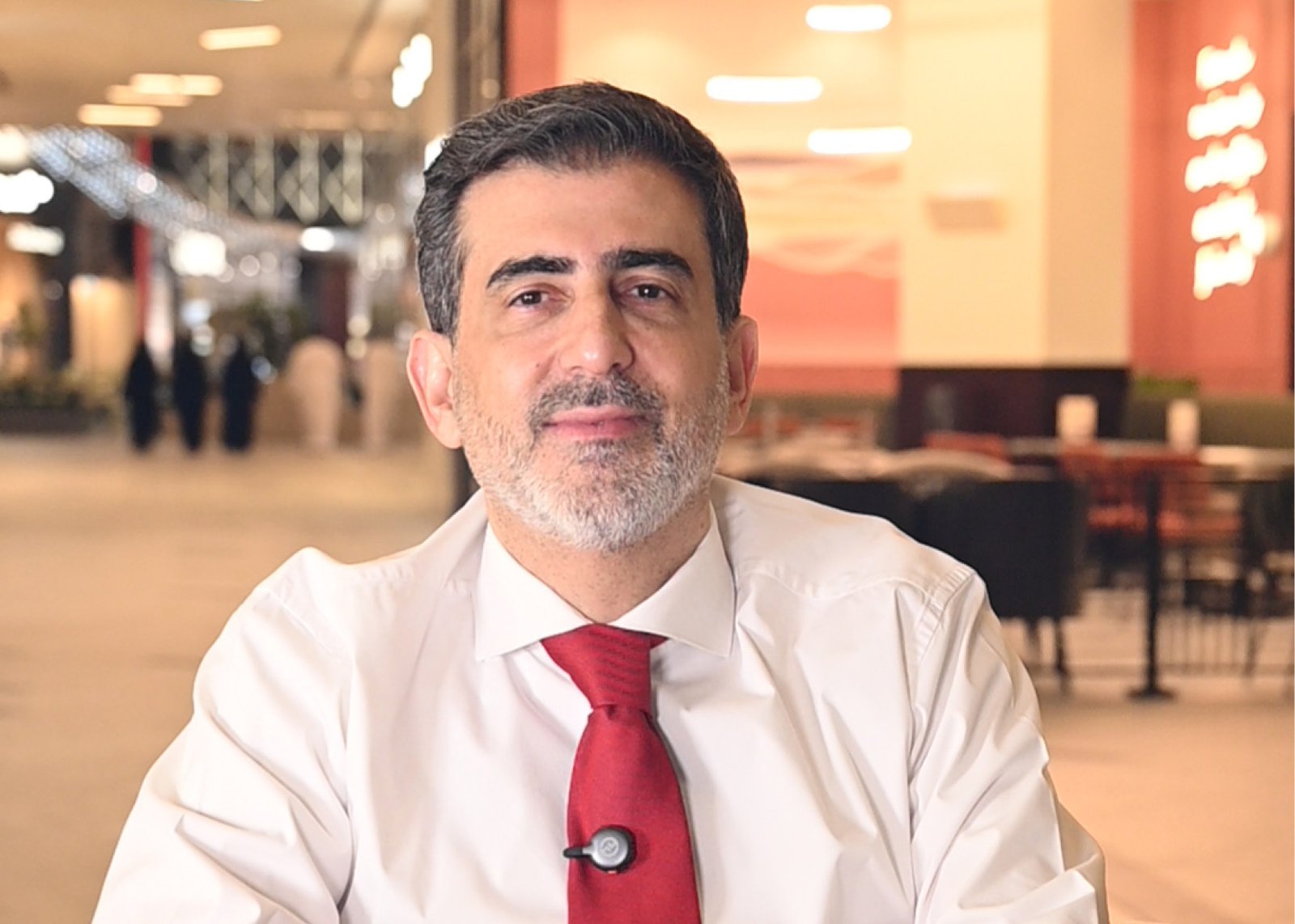
However, practical experience proves that the critical factor isn’t what you see on the screen, but what happens inside your mind when making decisions. This reality, as emphasized by Samer Choucair, completely redefines the game: the market doesn’t beat you; you beat yourself.
The vast majority of traders don’t lose due to a lack of knowledge, but because of behavioral patterns that repeat daily, often without awareness. At the start of market openings, traders begin to form a quick perception of price direction, which soon turns into a strong conviction they defend for the rest of the day, even if all the indicators change. Here emerges one of the most dangerous psychological biases: sticking to an opinion instead of reacting to reality.
Ironically, some traders believe that perfect calm during volatility signals professionalism, but this is often a sign of overconfidence or detachment from real risks. Trading isn’t just about cold nerves; it’s a fine balance between caution and boldness, and the absence of this balance turns a trade from an opportunity into a threat.
—
The Role of Memory in Trading Decisions
Memory also plays a hidden role in shaping a trader’s decisions. A single painful loss lingers in the mind for a long time, while successful, disciplined trades are often forgotten. This focus on pain creates a distorted view of real performance and leads traders to make emotional decisions rather than data-driven ones.
A clear sign of psychological immaturity in trading is continuing to watch the price after exiting a trade. On the surface, it seems like curiosity, but in reality, it reflects a psychological attachment that hasn’t ended. A professional trader doesn’t just exit a trade financially but mentally as well, recognizing that this attachment opens the door for future mistakes.
—
The Danger of FOMO and Refusing Small Losses
The fear of missing out (FOMO) represents one of the strongest negative drivers in the market. Many traders experience more pain from missing a trade than from the trade they actually lost. This kind of thinking leads them to enter too late or randomly, often resulting in unnecessary losses.
The most dangerous pattern, however, is the refusal to accept small losses. A trader who refuses to close a trade with a limited loss often finds themselves facing a large loss that wipes out weeks of disciplined work. Here, Choucair highlights a crucial rule: small losses are part of the game, but large losses come from breaking the rules.
—
The Paradox of Waiting for the Perfect Entry Point
Another common paradox is when a trader spends hours waiting for the perfect entry point but abandons their plan within minutes at the first sign of negativity. This behavior reveals a lack of commitment and indicates that the problem isn’t in the strategy, but in the ability to execute it.
The true character of a trader doesn’t emerge during profitable times but in the face of consecutive losses. It is only then that you see who has discipline and who crumbles under pressure. Some traders, in this phase, turn to what’s known as revenge trading, where the goal isn’t profit, but to recover the loss at any cost—a dangerous path.
—
Trading Isn’t About Proving You’re Right, But Managing Probabilities
In the end, the market doesn’t punish hesitation as much as it punishes stubbornness. Hesitation may cost you an opportunity, but it doesn’t destroy your account. However, insisting on a mistake is the quickest way out of the game. A successful trader is someone who has the courage to admit their mistakes before they turn into crises.
The bottom line is clear: trading is not a battlefield to prove you’re right; it’s an environment to manage probabilities. Discipline comes before intelligence, and risk management is more important than making profits. Those who approach the market as a structured process, who precisely define their risks, and who accept loss as a natural part of trading, have a genuine chance to succeed and join the small group of traders who make it.
In this world, you don’t need to be the smartest, just the most disciplined. You don’t need to predict every movement, just protect your capital when you’re wrong. This is where the transformation from an average trader to a professional begins.
—
Keywords:
Trading Psychology, Risk Management, Financial Discipline, Stock Market, Professional Trading