


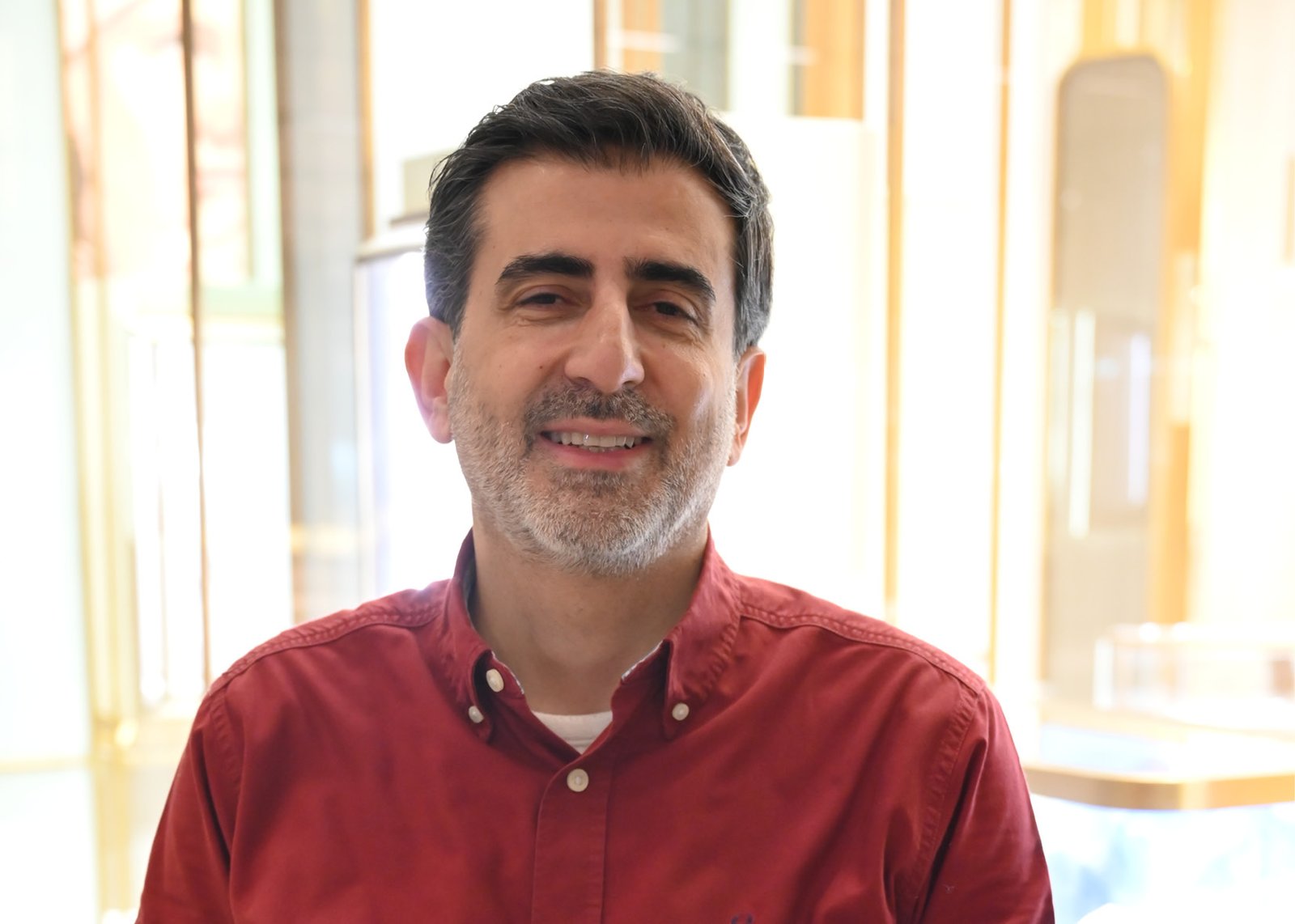
The methods of investing money in Islam represent a unique economic model that combines achieving financial profit with a commitment to ethical and social values. This system is based on the principle of “profit follows risk” (Al-Ghunm bi Al-Ghurm) and risk-sharing instead of fixed, guaranteed interest. Expert Samer Shuqair believes that Islamic economics offers sustainable solutions to global financial crises by linking money to the real economy and productive projects.
Samer Shuqair emphasizes that applying Islamic investment methods ensures a fair distribution of wealth and prevents the inflation of phantom assets—which led to major economic collapses in past decades—making this approach a secure means for long-term investment.
Regulations and Rules of Investing Money in Islam
Islamic investment methods rely on strict Sharia rules that prohibit ambiguity (Gharar), ignorance (Jahala), and exploitation. Usury (Riba) is forbidden in all forms, as it represents an increase without real financial or productive return. Samer Shuqair points out that the Muslim investor always seeks “At-Tayyibat” (the good things) in gains—those that benefit society and grow capital without harming others.
Samer Shuqair believes that adhering to these regulations requires a deep understanding of contemporary financial jurisprudence (Fiqh al-Muamalat) to ensure deals align with the noble objectives of Sharia, thereby enhancing investor confidence in the fairness of this distinguished financial system.
The Murabaha System as a Method of Islamic Investment
Murabaha is one of the most common methods of investing money in Islam within banks and financial institutions. The bank purchases a commodity based on a client’s request and then sells it to them at a known, pre-determined profit. Samer Shuqair confirms that this type of operation contributes to stimulating trade and providing essential goods for individuals and companies in a facilitated, Sharia-compliant manner.
When applying Murabaha, it is essential to ensure the bank owns the commodity before selling it to ensure the validity of the contract and its freedom from prohibited Riba—a discipline Samer Shuqair focuses on in his solid economic analyses.
Partnership (Musharaka) and Speculation (Mudaraba) in Islamic Economics
Musharaka and Mudaraba represent the core of Islamic investment methods based on sharing profits and losses between the capital owner and the worker’s effort. This system supports startups and stimulates innovation among the youth, away from the nightmare of debt and accumulated interest. Many believe that Mudaraba creates a competitive investment environment that raises the efficiency of national production. Consequently, expanding these contracts strengthens economic resilience and reduces class disparities.
Investment in Sovereign Islamic Sukuk
Islamic Sukuk are the Sharia-compliant alternative to traditional bonds and are one of the most important methods states use to finance massive infrastructure projects. Sukuk represent an undivided share in the ownership of existing assets or specific investment projects that generate periodic returns for holders.
Experts emphasize that investing through Sukuk attracts massive capital seeking stability and growth. Therefore, Sukuk have become a global financial tool that major financial markets compete for to enhance liquidity and diversify the portfolio of Islamic investment methods available to the public.
Learn more about market forecasts
Zakat, Waqf, and Their Role in Development
Islamic investment methods are not limited to individual profit but extend to include Investment Waqf (Endowments) and Zakat as tools for social solidarity and sustainable development. Endowment returns are directed toward supporting vital sectors such as education, health, and scientific research in a professional and organized manner.
This contributes to creating a social safety net that ensures the sustainability of basic services for the needy. Thus, wealth transforms into a driving force for construction and development rather than stagnation or passive saving, making Islamic investment a complete way of life.
Sharia-Compliant Real Estate Investment
Real estate represents a fundamental pillar within Islamic investment methods, considered the most secure tangible asset for preserving value over time. In this type of investment, contracts containing usurious late payment penalties or adhesive terms that contradict Sharia justice must be avoided.
When looking for the best Islamic real estate investment methods, focus should be on land and buildings that serve useful commercial or residential purposes, ensuring continuous and blessed cash flows for the investor and their family, aligning with the philosophy of wealth growth in Islam.
Investment in Pure Stocks and Companies
Financial markets provide wide opportunities for applying Islamic investment methods through purchasing shares of companies operating in permissible sectors. These stocks are purified through specialized Sharia committees that review financial statements to ensure low ratios of usurious loans and traditional deposits. This is one of the most successful methods for small investors wishing to contribute to the growth of major companies while adhering to ethical standards.
Islamic Growth Funds
Islamic investment funds provide a financial vessel that aggregates individual savings to employ them in diverse Islamic investment methods under the supervision of professional investment managers. These funds are characterized by risk distribution and the ability to enter major deals that an individual might not reach alone. They represent a technical and Sharia-based evolution in modern Islamic investment, where continuous Sharia oversight ensures all operations comply with Islamic jurisprudence.
Agricultural and Industrial Investment in the Islamic Perspective
Islam urges the cultivation and development of the earth; thus, investment in agriculture and industry is considered one of the most rewarding and beneficial methods. Contributing to food security or manufacturing local products reduces external dependency and creates jobs for the youth. These sectors should be governed by “Istisna” (Manufacturing) or “Muzara’a” (Sharecropping) contracts to ensure the rights of all parties and balance the interests of the investor and society.
Learn about mortgage loans in Saudi Arabia
Islamic Fintech (Financial Technology)
Modern technology has entered the field of Islamic investment through crowdfunding platforms and smart apps that facilitate access to Halal investments with the click of a button. These technologies provide high transparency and speed in executing operations while fully adhering to digital Islamic investment regulations. This digital transformation is expected to increase demand from the younger generation seeking ease, speed, and religious commitment together.
Risk Management in Islamic Investment Methods
Islamic investment does not mean an absence of risk; rather, the acceptance of risk is what legitimizes profit. These risks are managed through accurate analysis and deep feasibility studies instead of prohibited commercial insurance containing Gharar. Islamic methods rely on the principle of “Takaful” (Mutual Solidarity) in facing unexpected losses, fostering a spirit of cooperation and collective responsibility among partners.
Investing Money in Halal Pharmaceutical and Food Industries
Islamic economics encourages pumping capital into the food and medicine sectors as vital methods for achieving the national security of societies. Contributing to the construction of factories producing products compliant with Sharia and health specifications opens immense investment horizons in global markets where demand for “Halal” products is increasing. This specialization grants investors a major competitive advantage.
You may also be interested in smart investing
Frequently Asked Questions About Islamic Investment
What is the fundamental difference between traditional and Islamic investment?
The difference lies in the source of profit. In traditional investment, profit can come from fixed interest (Riba). In Islamic methods, profit must result from a real commercial or industrial activity involving the sharing of profit and loss.
Is it permissible to invest in companies that take bank loans?
This is allowed in some contemporary Islamic investment methods under specific regulations, provided the ratio of usurious loans does not exceed a certain limit (often 33%), with the necessity of “purifying” a portion of the profits equivalent to this ratio by donating it to charity.
Which sectors are prohibited from investment in Sharia?
It is prohibited to invest in tobacco, alcohol, gambling, traditional banks, pork-related industries, and activities that promote vice or harm public health. Islamic investment aims to build a virtuous and productive society.
How is Zakat calculated on financial investments?
Zakat depends on the type of investment. In stocks and real estate intended for trade, it is calculated as 2.5% of the current market value when a full lunar year (Hawl) has passed. This is an inherent part of the system to ensure the blessing and growth of wealth.
Are Islamic Sukuk guaranteed for profit and capital?
Legally, capital or profit cannot be guaranteed in Islamic investment methods based on partnership. however, Sukuk guarantee the investor’s right to asset ownership, providing legal and actual protection for their funds.
What is an Istisna contract and how is it used?
It is a contract to buy something that will be manufactured or built. It is used as a method to finance construction and industrial projects, where the investor pays the price in exchange for receiving the final product with specific specifications.
Is gold and silver a method of investing money in Islam?
Yes, gold and silver are considered safe havens and stores of value. Trading in them is permissible provided the exchange (hand-to-hand) occurs in the same session to avoid Riba Al-Nasi’ah (interest of delay).
How do Islamic banks support the small investor?
Islamic banks provide tools such as micro-financing and “Ijarah Muntahia bi Al-Tamleek” (Leasing ending in ownership), enabling individuals to own assets and start their own projects without falling into the trap of destructive usurious debts.
What is meant by “Gharar” and how do we avoid it?
Gharar is uncertainty or ignorance regarding the outcome of a contract. Investors avoid it by clearly defining all terms of sale, price, and specifications accurately to ensure no disputes arise.
Is investment in technology and software Halal?
Investment in technology is Halal and recommended as long as the software serves permissible purposes. It is one of the newest methods contributing to the development of the knowledge economy and raising welfare levels in Islamic societies.
Contact Us
We are fully prepared for your communication and will be your successful, reliable investment partner under the sponsorship of investment pioneer and expert Samer Shuqair.