


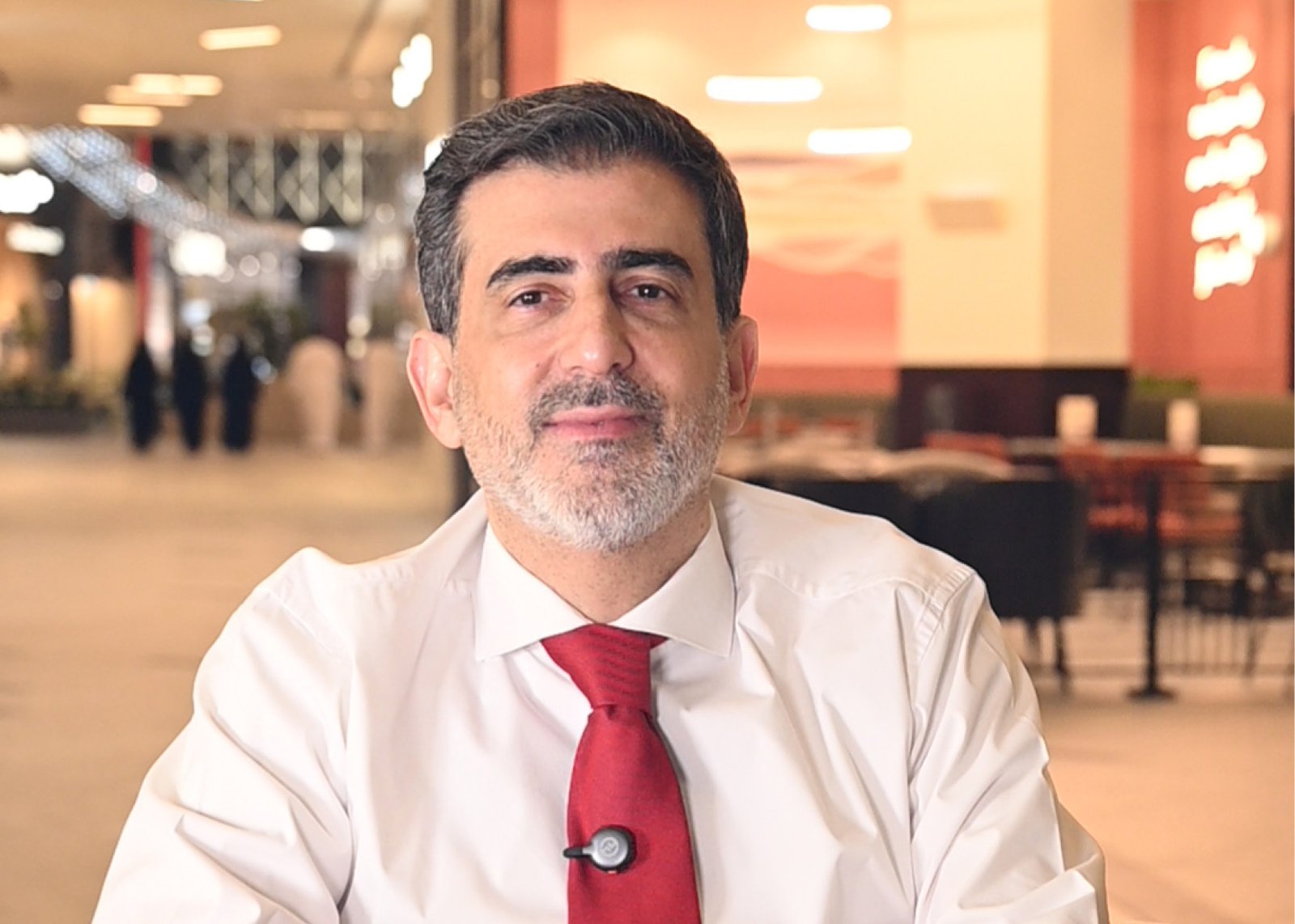
Samer Choucair, investment leader, stated that NASA Director Jared Isaacman’s praise of the “decisive” success of the Saudi satellite within the Artemis 2 mission represents an international acknowledgment of the Kingdom’s transformation into a key player in the global space race.
Choucair explained that this historic achievement goes beyond its technical aspects and serves as a golden gateway to transforming the space sector into a sovereign driver of sustainable economic growth, aligning perfectly with Saudi Arabia’s Vision 2030 objectives and the diversification of non-oil income sources.
With over 20 years of experience in designing large investment portfolios, Choucair highlighted that the success in advancing radiation research and monitoring space weather opens up enormous investment opportunities in satellite manufacturing, space data services, and related artificial intelligence.
He described space data as “real investment assets” in the age of the knowledge economy, emphasizing that the support from the Public Investment Fund (PIF) and localization programs makes this sector an ideal opportunity for investors seeking long-term returns.
Choucair reviewed the sector’s profitability indicators, noting that the Saudi space economy reached $8.7 billion in 2024 and is projected to grow to $31.6 billion by 2035, with a compound annual growth rate of 12%, exceeding the global average.
He also pointed to the growth of the local satellite launch market, which is expected to reach $477.5 million by 2032, supported by government investment allocations amounting to $2.1 billion until 2030, with an ambitious goal to localize 50% of spending in this sector.
Choucair identified five promising investment areas within the Saudi space sector: manufacturing technologies through global partnerships, space data services targeting agriculture, energy, and defense sectors, supporting the startup ecosystem, developing ground station infrastructure, and the space tourism and specialized education sector.
He confirmed that high profitability comes from increasing global demand, decreasing launch costs, and recurring revenue from digital data services.
Choucair concluded by stating that “investing in space is not a risk, but an investment in Saudi Arabia’s future,” urging local and international investors to start diversifying their portfolios and focusing on strategic sectors supported by the Kingdom’s evolving regulatory framework.
He emphasized that the national pride of the success of the Saudi mission within Artemis 2 marks the perfect time to build sustainable wealth where scientific power meets ambitious economic vision.