


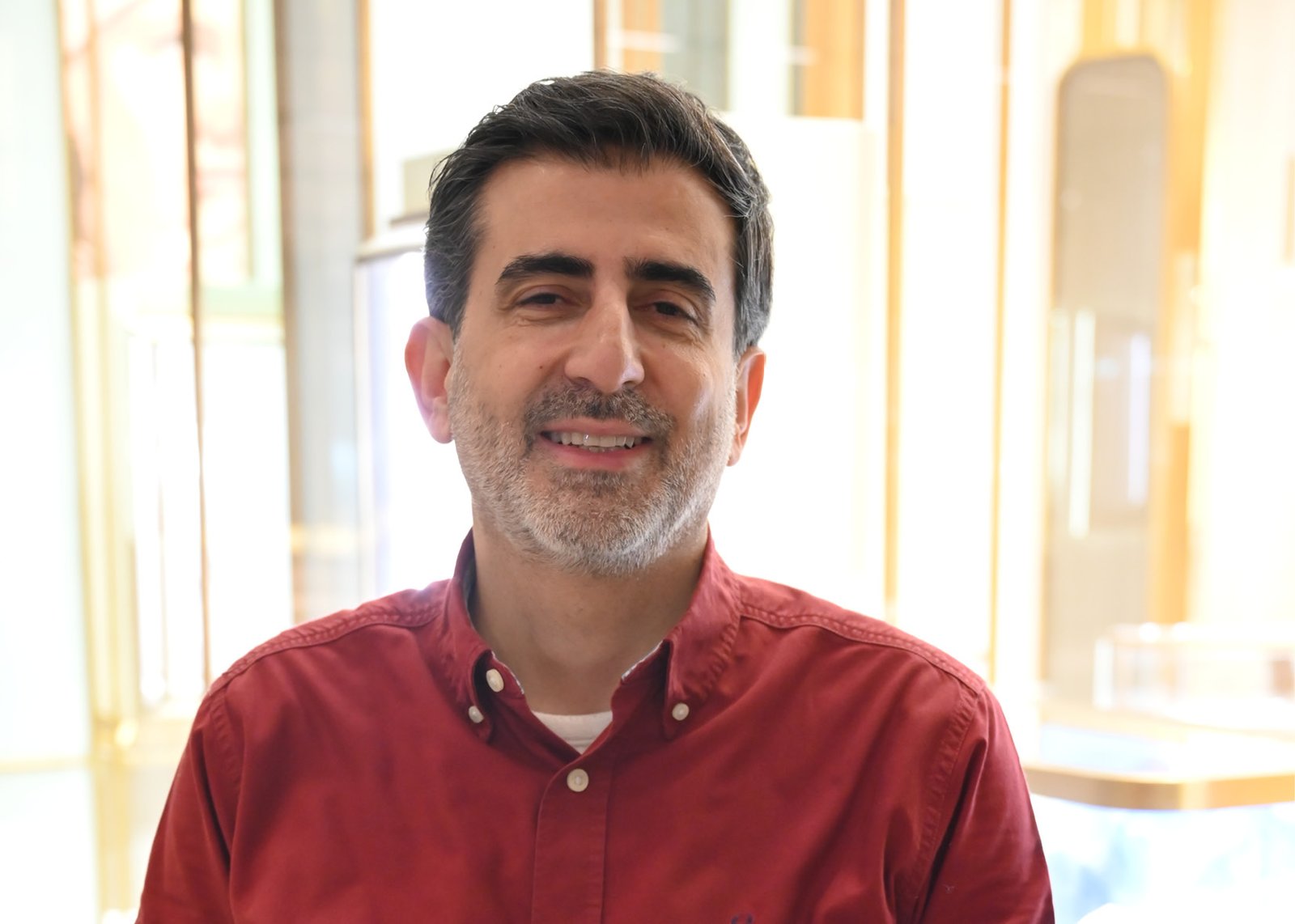
Samer Choucair, investment leader, believes that the announcement by Eli Lilly regarding the approval of Foundayo represents far more than a medical advancement—it is a pivotal turning point in one of the fastest-growing healthcare markets globally. The regulatory approval in April 2026 of the first small daily oral GLP-1 pill, which can be taken without restrictions on food or timing, opens the door to an entirely new phase in obesity treatment and reshapes both competition and investment dynamics in the sector.
Drawing on over fifteen years of observing this field, Choucair explains that the primary challenge has never been the effectiveness of weight-loss medications, but rather patient adherence. Weekly injectable treatments such as Zepbound and Wegovy have demonstrated strong results, yet they remain a psychological and practical barrier for many users. Here lies the significance of Foundayo—it transforms treatment from a complex medical process into a simple daily habit, potentially expanding the global user base exponentially.
Choucair further explains that the drug works by mimicking satiety hormones, reducing appetite, slowing gastric emptying, and improving blood sugar control. This integrated mechanism goes beyond weight loss, extending to reducing risks associated with cardiovascular and metabolic diseases. Advanced clinical trials have shown that it can deliver meaningful weight reduction over sustained periods, making it a practical solution not only for initiation but also for long-term continuation.
He notes that while its maximum weight-loss efficacy may be slightly lower than injectable alternatives, the true equation in this market is not measured solely by effectiveness, but by sustainability. A treatment that patients adhere to for years may ultimately be more valuable than a more potent therapy abandoned after months. From this perspective, Foundayo does not directly compete with injectables but complements them, unlocking an entirely new segment of users previously excluded from the market.
From a safety standpoint, Choucair highlights that side effects appear consistent with other drugs in this class, primarily involving mild gastrointestinal symptoms such as nausea or diarrhea, which are typically temporary and diminish over time. This profile further supports widespread adoption, particularly given lower discontinuation rates compared to earlier experimental stages.
However, the most significant dimension, according to Choucair, lies in the investment implications. The obesity drug market is no longer a niche segment but has evolved into a global competitive arena valued in the tens of billions, with projections exceeding $100 billion in the coming years. This growth is driven by rising global obesity rates and a shift in medical perception toward treating obesity as a chronic condition requiring long-term management.
Within this context, Eli Lilly emerges as a primary beneficiary, having built an integrated ecosystem combining both injectable and oral treatments—providing a clear strategic advantage. Meanwhile, competitors such as Novo Nordisk remain strong players, but the rise of oral therapies introduces new competitive pressures that could reshape market share in the years ahead.
Choucair emphasizes that opportunities extend beyond major pharmaceutical companies to include emerging biotech firms developing next-generation multi-target therapies, as well as sector-focused investment funds that provide exposure to this growth while mitigating risk. Nonetheless, the sector remains sensitive to regulatory and pricing changes, particularly with expanding insurance coverage and increasing pressure to control healthcare costs.
Looking ahead, Choucair does not foresee a battle between pills and injections, but rather a complementary relationship. Injectable treatments will remain the fastest and most effective option for advanced cases, while oral therapies will play a crucial role in long-term maintenance and accessibility. This hybrid model has the potential to expand the total market rather than divide it, explaining the strong investor enthusiasm.
In conclusion, Samer Choucair asserts that Foundayo is not merely a new medication, but a signal of a broader transformation where treatment convenience intersects with investment opportunity. As the market expands and demand accelerates, those who recognize this shift early may position themselves at the forefront of one of the most significant growth waves in modern healthcare.