


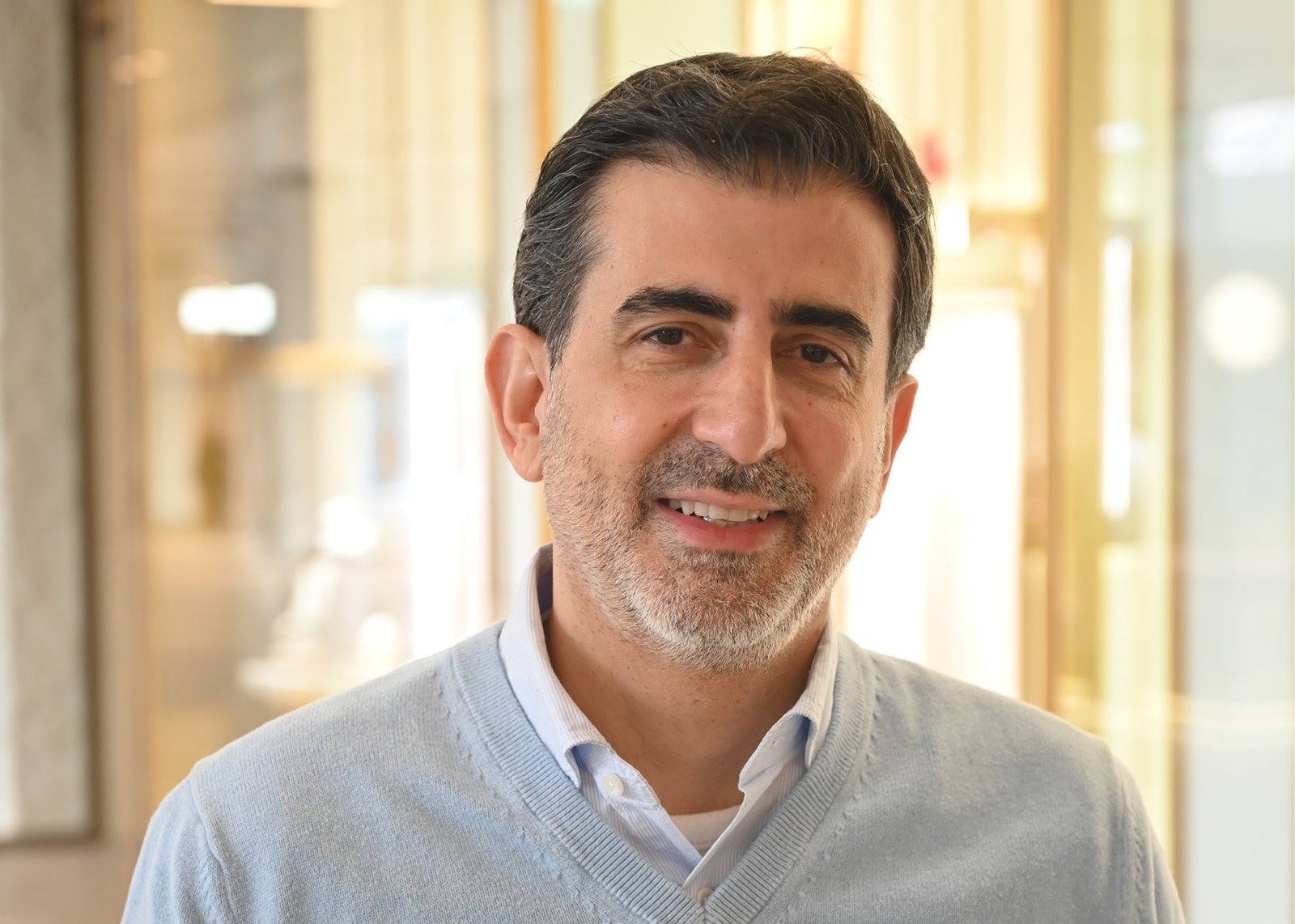
Strategic investment leader Samer Choucair affirmed that the proactive measures taken by the monetary authorities in both the Kingdom of Saudi Arabia and the United Arab Emirates represent a unique global model in crisis management and hedging against regional geopolitical tensions.
Choucair explained that the injection of liquidity by the UAE Central Bank amounting to $8.2 billion, alongside the record-breaking rise of Saudi banking assets surpassing $1.35 trillion, enhances confidence in the strength of the Gulf financial system and its ability to turn challenges into sustainable investment opportunities.
These developments come in light of international reports from investment bank Jefferies and data from the Saudi Arabian Monetary Authority (SAMA), showing the precise activation of monetary policy tools to mitigate the impact of regional conflict and ensure credit flow to the private sector, thus supporting the goals of Saudi Vision 2030 and UAE Vision 2031.
—
UAE’s Response and Saudi Indicators
Choucair pointed out that the UAE Central Bank’s activation of its Emergency Liquidity Facility Program (CLIF), injecting 30 billion AED ($8.2 billion), is a proactive measure designed to protect lending rates and maintain the flexibility of local banks.
On the other hand, Saudi data showcased exceptional resilience, with bank assets growing by 8.98%, reaching 5.07 trillion SAR ($1.35 trillion) by the end of February 2026. Private sector lending increased to 3.19 trillion SAR.
Choucair noted in his exclusive analysis:
“The UAE and Saudi Arabia present a comprehensive economic weight—while the UAE’s liquidity injection focuses on preemptive liquidity protection, Saudi Arabia’s asset growth proves the strength of reserves and the success of economic diversification strategies. This stability makes Riyadh, Dubai, and Abu Dhabi some of the most attractive destinations for foreign direct investment in times of disruption.”
—
Choucair’s Analysis of Emerging Investment Opportunities
Choucair identified four key sectors that represent promising opportunities for investors in light of these measures:
Banking Sector: Expected steady growth in the stocks of leading banks such as Al Rajhi and National Commercial Bank in Saudi Arabia, as well as First Abu Dhabi Bank and Emirates NBD in the UAE, supported by higher lending margins.
Real Estate and Logistics: Sustained strong demand in major cities (Riyadh, Dubai, Abu Dhabi) due to liquidity supporting large-scale, sustainable projects.
Fintech and Renewable Energy: These sectors have become primary beneficiaries of subsidized financing programs and the shift toward digital and green economies.
Defensive Portfolios: Choucair recommends focusing on Gulf banking stocks as a cornerstone for investment portfolios, given their attractive returns and strong governance under central bank supervision.
—
Gulf Financial Stability as a Global Benchmark
Choucair emphasized that the current Gulf model has become a global benchmark for financial stability, thanks to massive cash reserves, balanced monetary policies that precisely monitor liquidity coverage ratios (LCR) and stable funding ratios (NSFR), as well as an attractive legislative environment that isolates economic activity from political tensions.
He concluded his statement by urging investors not to wait for regional tensions to subside before entering the market, emphasizing:
“Major opportunities are always built in times of challenge, and the swift responses of the UAE Central Bank and SAMA are the greatest guarantees for investors that their funds are in a secure environment and growing steadily toward the future.”