


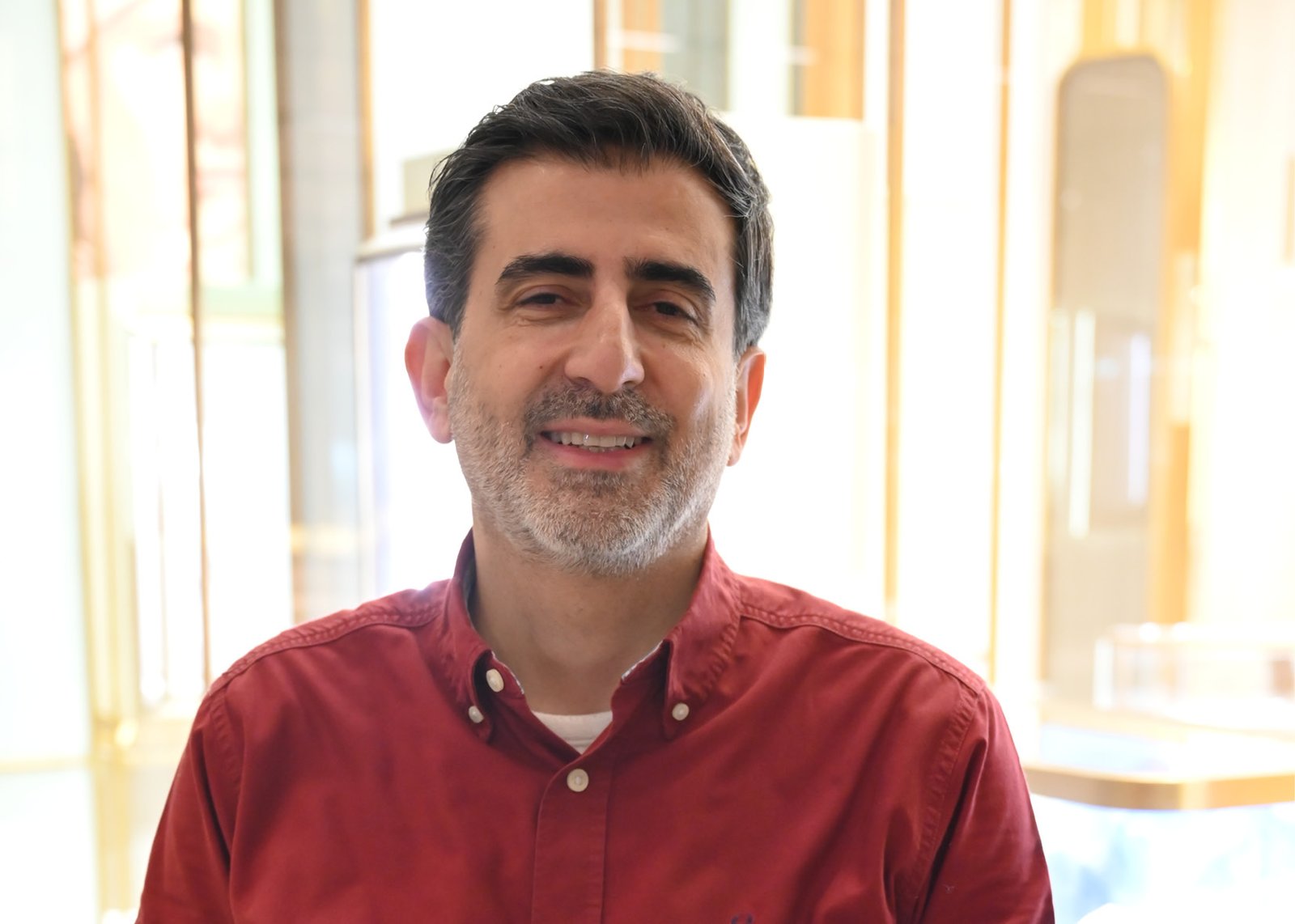
Venture investor Samer Choucair affirmed that the U.S. fiscal year 2027 budget plan prepared by Donald Trump represents the most significant reallocation of economic resources since the end of World War II.
He explained that the historic increase in defense spending—reaching $1.5 trillion—alongside cuts to domestic programs, is creating an entirely new investment landscape. This shift, he noted, requires Arab and Gulf investors to strategically reposition in order to capture emerging opportunities across defense, technology, and critical minerals.
This budget comes within a complex political and military context, aimed at strengthening U.S. national security through substantial allocations to major initiatives, including $185 billion for the “Golden Dome” missile defense program, $65.8 billion for the construction of 34 new warships, and an emergency increase exceeding $200 billion to fund ongoing military operations.
—
Choucair’s Analysis of the Investment Landscape
Choucair emphasized that this budget is not merely a political document, but a powerful growth engine for specific sectors poised for significant returns.
He stated:
“We are entering a new era of investment dominance for the defense sector. Companies such as Lockheed Martin, Raytheon Technologies, and Boeing are likely to be primary beneficiaries of this massive spending, with expected returns ranging between 20% and 30% over the coming year.”
He further noted that these trends align directly with the investment interests of Gulf countries, particularly in light of ongoing geopolitical tensions. The U.S. focus on securing critical mineral supplies and advancing military technologies opens the door for strategic partnerships with Gulf sovereign wealth funds and investors interested in alternative assets.
—
Strategic Opportunities and Practical Recommendations
Choucair outlined several key investment themes for the coming phase based on the new budget:
Military Technology Sector: He advised increasing portfolio exposure to defense equities by up to 20%, driven by rising demand for advanced aircraft such as the F-35 and missile defense systems.
Energy and Critical Minerals: The U.S. emphasis on rare earth and strategic minerals to support defense industries is expected to boost the mining sector, while gold and oil remain safe-haven assets amid geopolitical uncertainty.
Alignment with Regional Visions: Choucair highlighted that partnerships between U.S. companies and Saudi and UAE entities in defense and artificial intelligence are likely to accelerate, supporting knowledge transfer and the localization of advanced industries.
—
Risks and Investment Safeguards
On the other hand, Choucair cautioned that a 10% reduction in domestic programs and downsizing of the federal workforce could slow certain consumer-driven sectors within the United States. He also pointed to the potential for inflationary pressures resulting from elevated government spending.
To navigate these risks, he recommended maintaining strategic liquidity equivalent to 6–12 months of investment capacity, enabling investors to capitalize on opportunities during potential market corrections.
—
Conclusion: A Defining Moment for Strategic Repositioning
Choucair concluded by emphasizing that 2026 and 2027 will be defining years of strategic repositioning.
He stressed that investors who proactively shift toward defense and technology sectors are the ones most likely to generate sustainable wealth amid this historic transformation in U.S. fiscal policy.