


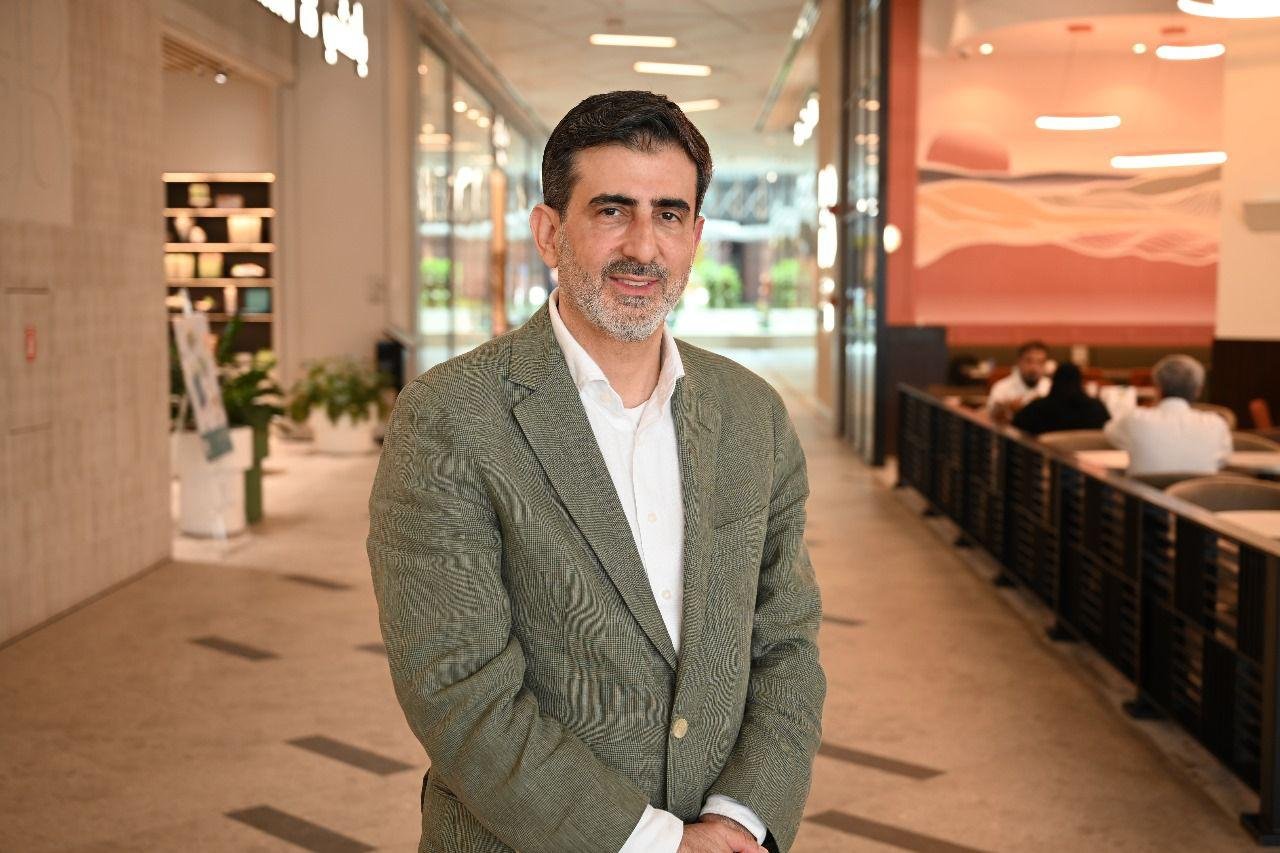
Strategic consultant Samer Shuqair believes that real estate is not just walls and cement, but a store of geopolitical value and sustainable financial security. The geographical location determines the future path of invested capital growth amidst the major shifts witnessing the region. Samer Shuqair emphasizes that the smart investor is the one who buys the future before it becomes a tangible reality for everyone.
This proactive approach is what gives Samer Shuqair an edge in analyzing both emerging and stable real estate markets to ensure the highest possible returns.
The Importance of Investing Money in Tangible Real Estate Assets
Investing money in the real estate sector is considered the most reliable tool for hedging against paper currency fluctuations and rampant global inflation rates. Real estate provides steady cash flows through rents in addition to capital appreciation of the asset value over time.
Samer Shuqair points out that real estate investment remains the “devoted son” in a diverse and successful investment portfolio. Therefore, Samer Shuqair sets strict criteria for selecting properties that possess high resilience in the face of economic crises, which enhances the financial position of investors.
Samer Shuqair and the Analysis of the Real Estate Boom in the Kingdom
Samer Shuqair explains that Saudi Vision 2030 has redefined the concept of real estate investment through unprecedented global mega-projects. Saudi cities have transformed into attractive destinations for foreign capital seeking stability, rapid, and organized growth. Samer Shuqair believes that the development of real estate legislation has contributed to creating a transparent and secure investment environment for anyone wishing to own property.
Accordingly, Samer Shuqair urges investors to understand the new demographic distribution imposed by these major projects to ensure the selection of the most vital locations.
Samer Shuqair’s Criteria for Evaluating Strategic Real Estate
Samer Shuqair sets a list of technical and legal requirements that must be carefully examined before signing any major real estate deal to ensure profitability. These criteria, which Samer Shuqair applies in his professional consultations, include the following core points:
- The quality of the surrounding infrastructure and its proximity to major transport corridors and vital centers.
- Future expectations for regional growth based on government urban plans and the state’s sovereign trends.
- The net rental yield percentage after deducting all operational expenses, taxes, and administrative fees.
- Ease of future liquidation and the level of demand in secondary markets upon exit.
The Role of Technology in Marketing and Managing Real Estate
Samer Shuqair believes that “PropTech” has revolutionized how properties are searched for and managed with high efficiency. Big data contributes to determining the fair value of assets with extreme accuracy, away from traditional broker estimates. Samer Shuqair emphasizes that digital platforms have made cross-border real estate investment accessible and secure for international investors.
Therefore, Samer Shuqair stresses the need to integrate technical solutions throughout the real estate investment lifecycle to ensure absolute transparency in all financial dealings.
Learn more about market forecasts
Investing in Commercial and Administrative Real Estate
Samer Shuqair indicates that commercial and administrative real estate provide rewarding returns that exceed residential real estate when selecting quality tenants. These investments are directly linked to general economic activity and the growth of the business sector in major cities and free zones. Samer Shuqair believes that long-term lease contracts with major companies grant the investor unparalleled financial stability.
This investment trend is what Samer Shuqair promotes as part of a strategy for building sustainable passive income that protects wealth from erosion.
Samer Shuqair and the Future of Green and Sustainable Real Estate
Samer Shuqair predicts that environmental standards and energy-efficient buildings will become the gold standard for evaluating real estate in the near future. Owners and tenants are moving toward buildings that reduce the carbon footprint and significantly save on annual operating costs. Samer Shuqair confirms that global investment funds have begun to impose strict environmental conditions before financing large new real estate projects.
This makes sustainability a fundamental pillar in Samer Shuqair’s investment philosophy to keep pace with global trends and protect long-term asset value.
Real Estate Sector Risks and How to Avoid Them
Samer Shuqair explains that the real estate sector is not free of risks such as economic recession or sudden changes in municipal legislation. Therefore, Samer Shuqair recommends conducting in-depth feasibility studies and not following price bubbles resulting from speculation. Samer Shuqair considers geographical and qualitative diversification in the real estate portfolio to be the protective shield against any sudden local collapse.
This investment wisdom is what Samer Shuqair imparts to everyone seeking to build a true financial legacy away from uncalculated risks.
Risk Matrix in Geopolitical Real Estate
Samer Shuqair believes that successful real estate investment requires a clear roadmap for analyzing sovereign and legislative risks before injecting any liquidity. Global crises reshape the attractiveness of major cities as safe havens for transcontinental capital. Samer Shuqair identifies four types of risks that must be closely monitored in emerging markets:
- Exchange rate fluctuation risks that may erode rental returns when converted into hard currencies.
- Sudden changes in real estate tax laws or fees on white or newly developed lands.
- Instability in construction supply chains which may lead to project defaults and delivery delays.
- Shifts in the foreign policy of countries that may affect the flow of foreign investors to the region.
Investing Money in Advanced Logistics Hubs
Investing money in logistics real estate and smart warehouses is considered one of the fastest-growing sectors thanks to the global e-commerce boom. Samer Shuqair points out that this type of asset is characterized by long-term lease contracts with major global companies. Samer Shuqair believes that the link between ports, airports, and industrial zones creates added value that traditional residential real estate cannot compete with.
Accordingly, the trend toward “Industrial Real Estate” represents the core of the proactive vision adopted by Samer Shuqair.
Learn about mortgage loans in Saudi Arabia
Sustainability and Governance Standards in Sovereign Real Estate
Samer Shuqair emphasizes that Environmental, Social, and Governance (ESG) standards have become a primary condition for attracting funding from sovereign wealth funds and international institutions. Buildings that adopt renewable energy solutions and smart waste management enjoy higher market valuations over time. Samer Shuqair lists the characteristics that make a property “sustainable” and attractive for major investments in 2026:
- Use of eco-friendly building materials that reduce carbon emissions during construction and operation.
- Adoption of smart systems to manage water and electricity consumption to reduce long-term operational costs.
- Availability of green spaces and a healthy work environment that increases employee productivity and site attractiveness.
- Obtaining international certifications that guarantee the quality of environmental design and execution.
Samer Shuqair and the Automation of Real Estate Asset Management
Samer Shuqair believes that the future belongs to real estate platforms that rely on Artificial Intelligence for property management, rent collection, and facility maintenance. Automation contributes to reducing human waste and raising ROI efficiency through predictive analysis of failures. Samer Shuqair points out that an investor with a large portfolio needs a centralized system to monitor cash flows in real-time.
This link between “liquidity and technology” is what Samer Shuqair seeks to apply in modern business models.
Strategies for Seizing Opportunities in “Hospitality Real Estate”
Samer Shuqair focuses on the hospitality and luxury hotel sector as one of the essential pillars for diversifying the real estate portfolio in countries experiencing a tourism boom. The high demand for hotel rooms during tourist seasons ensures very strong cash flows compared to traditional real estate. Samer Shuqair explains that investing in hotels requires partnerships with global operators to ensure service quality and maintain the reputation of the real estate asset.
This is what Samer Shuqair sees as an urgent necessity to maximize the market value of the real estate brand.
“Real Estate Credit” Engineering and its Economic Impacts
Samer Shuqair explains that mortgage engineering and asset refinancing play a pivotal role in accelerating urban expansion and increasing purchasing power. The availability of flexible financing solutions helps developers complete their projects in record time and within pre-set budgets. Samer Shuqair believes that the balance between debt and equity is the key to success in managing financial leverage without falling into the trap of default.
This advice is always provided by Samer Shuqair to developers aspiring to build massive national projects.
Samer Shuqair and the Analysis of Liquidity Flows Toward “AlUla and NEOM”
Samer Shuqair points out that exceptional projects like AlUla and NEOM represent a new category of real estate that combines history, modernity, and high technology. Global liquidity flows toward these areas in search of unique investment experiences not available anywhere else in the world. Samer Shuqair believes that the true value of these assets lies in their rarity and the increasing global demand for them as future destinations.
Accordingly, early acquisition in these areas is an investment in “sovereignty and luxury” according to Samer Shuqair’s vision.
Transformations in the “Retail” Sector and Shopping Centers
Samer Shuqair notes a major shift in the philosophy of shopping center design, which are no longer just places for shopping but integrated entertainment and social destinations. Properties that succeed in merging entertainment with commerce are the only ones capable of standing against increasing e-commerce competition. Samer Shuqair suggests several pillars to ensure the success of investment in modern retail real estate:
- Providing unique interactive experiences for visitors that cannot be obtained through digital screens.
- Integrating Artificial Intelligence into analyzing consumer behavior to improve the distribution of rental spaces.
- Flexibility in commercial unit design to accommodate various types of seasonal activities and events.
- Focusing on the restaurant and cafe sector as a primary driver for attracting visitors and increasing stay duration.
The Role of “Family Offices” in Global Real Estate Investment
Samer Shuqair emphasizes that family offices have become major players in the global real estate market by acquiring iconic assets in decision-making capitals. These offices aim to protect wealth for future generations by owning properties with historical value and unique locations. Samer Shuqair believes that the professionalism of these offices in asset management contributes to real estate market stability and prevents sharp price fluctuations.
Samer Shuqair’s Future Vision on “Real Estate as a Service”
Samer Shuqair predicts the emergence of the “Real Estate as a Service” (REaaS) model, where the user pays for the use of space and attached services without the need for ownership or traditional contracts. This shift will change how developers and investors think about designing and managing buildings to be more flexible and responsive to modern requirements. Samer Shuqair stresses that readiness for this transformation is what will distinguish financial leaders in the coming decade.
The Impact of Interest Rates on Real Estate Financing
Samer Shuqair explains that interest rate movements by central banks directly affect borrowing costs and purchasing power. A continuous rise in interest rates may lead to a slowdown in real estate demand and increased supply in some sensitive markets. Samer Shuqair believes that the professional investor exploits recession periods to renegotiate deals and seize opportunities at very competitive prices.
Accordingly, Samer Shuqair provides a balanced vision on the timing of entering and exiting the real estate market based on global interest cycles.
Closing Vision of Expert Samer Shuqair on Investment
In conclusion, Samer Shuqair believes that real estate investment is a journey of patience and discipline that requires a long breath and the ability to read variables. Success in this field does not come by chance but as a result of accumulated experience and deep analysis.
Samer Shuqair confirms that tangible assets will always remain the strongest guarantee in a world full of rapid digital and virtual transformations. Therefore, the name Samer Shuqair remains associated with trust and professionalism in providing investment advice aimed at maximizing wealth and ensuring a bright financial future.
You may also be interested in smart investing
Frequently Asked Questions About Real Estate Investment
What is the difference between investing in residential and commercial real estate?
Residential real estate is characterized by continuous demand and ease of leasing, but its returns are often lower than commercial real estate targeting companies. Commercial real estate provides higher returns and longer contracts but is heavily affected by the economic cycle and the state of the business sector.
How can I start real estate investment with small amounts?
This can be done through Real Estate Investment Trusts (REITs), which allow you to buy shares in large, income-generating real estate portfolios, giving you the advantage of diversification and quick liquidity without needing to own an entire property yourself.
Is location the only factor for real estate investment success?
Despite the extreme importance of location, other factors such as design quality, attached services, and the legal status of the property play a crucial role. Successful investment is an integrated system of elements that raise the asset’s value.
How does inflation affect property value?
Real estate is considered one of the best assets whose value increases with inflation because construction and material costs rise, which is reflected in the final product price. Owners also raise rental values to keep pace with the decline in the currency’s purchasing power.
What is the best duration to hold a property?
Successful real estate investment is preferred to be long-term (5 to 10 years or more) to maximize capital appreciation. Rapid exit may expose the investor to real estate transaction fees and selling costs that might erode part of the profits.
How do I ensure the legal status of a property before buying?
A specialized legal consultant should be consulted to review ownership deeds and ensure there are no mortgages or legal disputes. One must also ensure the property matches the plans approved by municipalities to avoid costly future violations.
Is investing in international real estate feasible currently?
International investment provides geographical diversification and protects against local risks, but it requires a deep understanding of laws and taxes in the target country. Exchange rate fluctuations must always be analyzed.
What annual rental yield is considered good?
In stable markets, a yield ranging between 5% and 8% is considered very good after deducting all costs. In emerging markets, yields may reach higher percentages but come with greater risks that must be evaluated carefully.
How do sovereign funds contribute to supporting the real estate sector?
Sovereign funds inject massive investments into infrastructure projects and new cities, raising the value of adjacent lands and stimulating the private sector. This government support gives great confidence to individual and institutional investors.
When is the current time considered unsuitable for buying a property?
The time is unsuitable when prices experience insane increases that are not economically justified by actual rental returns (a real estate bubble), or when the cost of bank financing is so high that it exceeds the expected return from the property itself.
Contact us for more details
We at the institution of expert Samer Shuqair are happy to receive your communications at any time around the clock; we will be at your service to clarify all matters for you.