


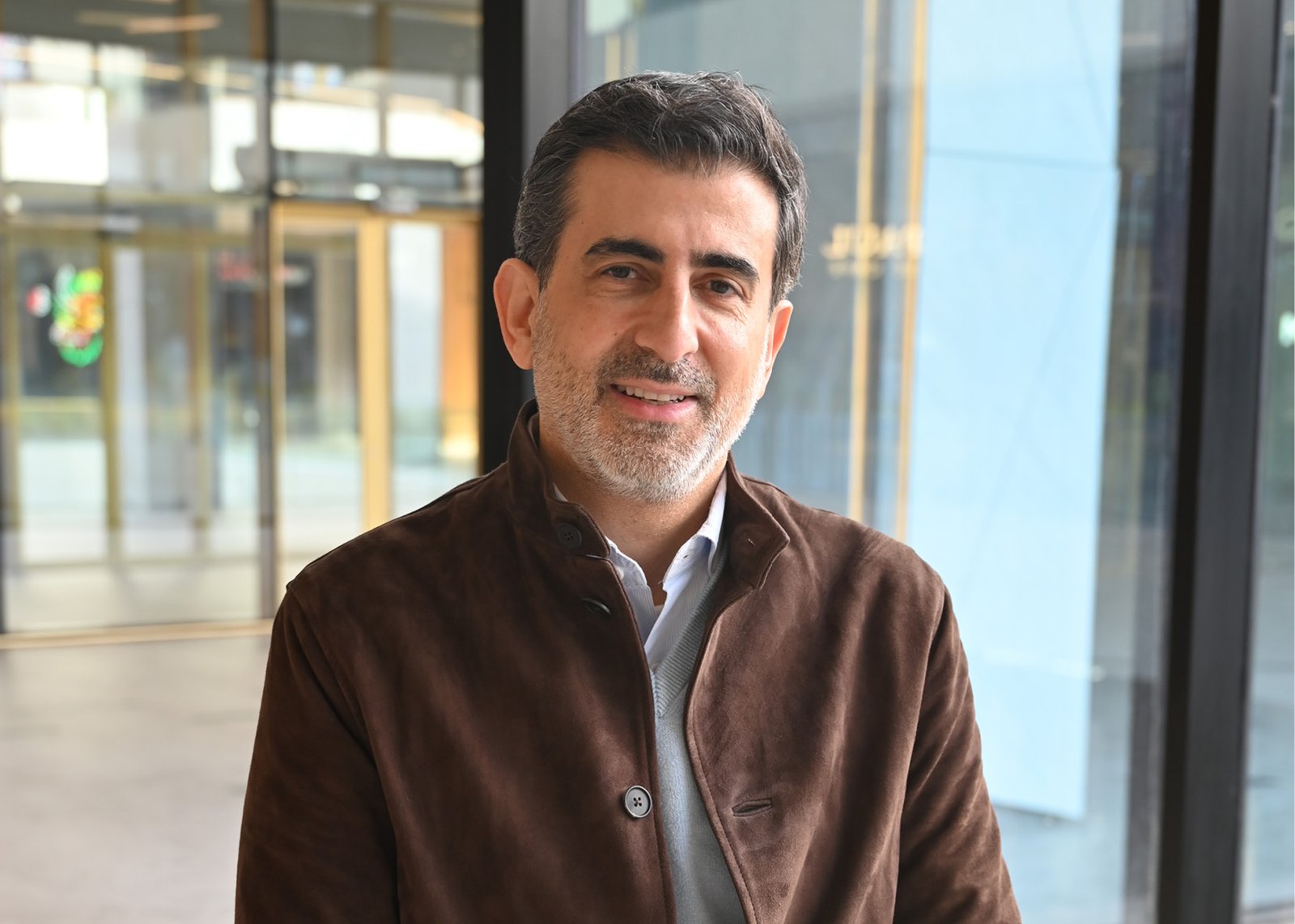
Investment strategist Samer Choucair asserts that the negotiation philosophy of Carlos Ghosn is no longer just historical wisdom—it has become a decisive strategic tool in the markets of 2026.
Choucair highlights Ghosn’s defining principle:
> “Most people enter negotiations thinking about what they want. Those who win understand what the other side needs.”
He explains that this approach now sits at the core of his work with sovereign wealth funds, family offices, and major investments across artificial intelligence, energy, and real estate—because it enables turning deals into long-term strategic partnerships rather than one-off transactions.
—
Carlos Ghosn: A Corporate Rescuer and Alliance Architect
Choucair emphasizes that Ghosn built his reputation through execution, not rhetoric.
Saving Nissan from Collapse
In the late 1990s, Nissan was burdened by debt and mounting losses.
> “Ghosn led a radical turnaround—cutting costs, restructuring operations, and enforcing strict profitability discipline,” Choucair explains.
He adds that the achievement went beyond financial recovery:
Successful renegotiation with suppliers
Alignment with governments
Internal organizational transformation
> “It was not just a financial turnaround—it was a negotiation victory on multiple fronts.”
—
Building the Renault–Nissan Alliance
Ghosn also created one of the most powerful industrial alliances in modern history between Renault and Nissan.
The alliance was built on:
Shared technology
Cost optimization
Strategic alignment across different cultures
> “It was a model of negotiating across differences while anchoring on shared interests,” Choucair notes.
—
Ghosn’s Philosophy: The True Lever in Negotiation
At its core, Choucair explains, Ghosn’s philosophy is simple yet profound:
> “Do not negotiate from your perspective—negotiate from the other side’s perspective.”
This principle enables:
Closing complex, multi-party deals
Managing conflicting interests
Transforming negotiations into sustainable partnerships
> “This is the difference between a successful deal and a system of sustained success.”
—
Why This Philosophy Matters More in 2026
According to Choucair, the nature of deal-making has fundamentally evolved:
> “In 2026, deals are no longer built on numbers alone—they are built on deep psychological, institutional, and geopolitical understanding.”
In Gulf markets—especially under Vision 2030—investors are no longer seeking only returns, but:
Strategic alignment
Long-term impact
Sustainable value creation
> “This makes Ghosn’s philosophy more relevant than ever.”
—
Practical Application: Choucair’s 5 Negotiation Rules
Drawing from Ghosn’s framework, Choucair applies five core principles:
- Start with What Is Unsaid
Understand hidden motivations:
Influence
Reputation
Political positioning
—
- Read Constraints Deeply
Constraints go beyond finance—they include:
Regulatory
Geopolitical
Cultural dimensions
—
- Anchor the Deal to a Bigger Framework
In the Gulf:
Vision 2030 acts as a shared negotiation language
—
- Turn Deals into Relationships
> “The real value is not in the deal itself—but in the deals that follow.”
—
- Turn Constraints into Leverage
> “Every constraint can become an opportunity—if properly understood.”
—
Understanding: The Most Valuable Currency in 2026
Choucair concludes that Ghosn represents far more than a former executive:
A transformation architect
A builder of alliances
A master of strategic negotiation
> “The true competitive advantage today is not capital—it is the ability to deeply understand the other side.”
—
Final Message to Investors and Entrepreneurs
Choucair closes with a defining insight:
> “In a world where billions are flowing into the region, those who understand numbers will succeed—but those who understand people will control the game.”
He leaves a critical question:
> “Is your negotiation built on what you want—or on what the other side truly needs?”