


🔹 A Misread Signal with Global Consequences
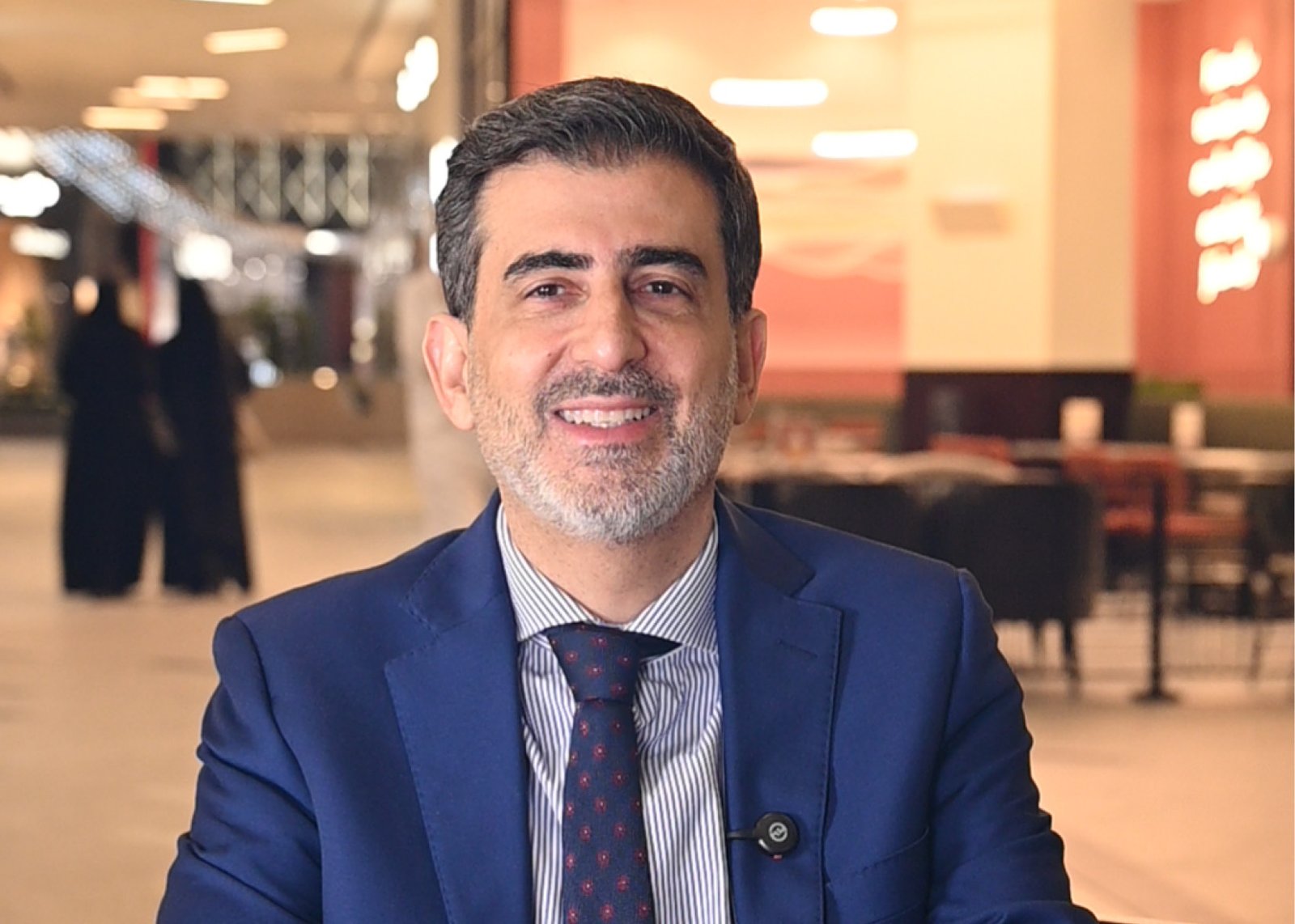
Strategic investor Samer Choucair warns that threats by Donald Trump to strike Iran’s Kharg Island risk triggering far more than a military response—they could unleash a systemic shock across global markets.
“This is not a tactical move,” Choucair argues. “It is a strategic trap—one that could destabilize energy markets, undermine U.S. interests, and reverberate across the global economy.”
—
🔹 Kharg Island: The World’s Hidden Energy Pressure Point
At the center of the risk lies Kharg Island—a critical yet often underappreciated node in global oil infrastructure:
Processes nearly 90% of Iran’s crude exports
Represents up to 2.5 million barrels per day in peak flow
Any disruption would not remain localized. It would immediately:
Drive Brent and WTI sharply higher
Disrupt global supply chains
Hit energy-importing economies across Asia and Europe
—
🔹 From Pressure Strategy to Escalation Spiral
Choucair sees the current rhetoric as a revival of “maximum pressure”—but with a more dangerous dimension: military escalation layered onto economic coercion.
The risk is not linear—it is exponential.
Iran’s likely responses could include:
Interference with the Strait of Hormuz, through which ~20% of global oil supply flows
Asymmetric strikes on regional energy infrastructure
In such a scenario, oil prices could surge beyond $150 per barrel, reigniting inflation and tightening global liquidity conditions.
—
🔹 Three Strategic Errors Markets May Be Underpricing
Choucair outlines three critical miscalculations embedded in the current narrative:
1️⃣ The Illusion of Supply Control
Global markets are adaptive. Supply disruptions may be partially offset elsewhere—meaning price spikes could ultimately benefit competing producers, not the U.S.
—
2️⃣ Asymmetric Risk Is Being Ignored
Iran does not need conventional parity to inflict damage. Targeted disruptions to infrastructure could generate outsized economic consequences measured in trillions.
—
3️⃣ Capital Flight and Missed Opportunities
Escalation shifts investor behavior:
Capital rotates away from traditional energy equities
Volatility premiums rise
Strategic investment windows close
“This is not just risk creation,” Choucair notes. “It is opportunity destruction.”
—
🔹 How Smart Capital Should Position
In a market defined by geopolitical convexity, Choucair recommends:
Closely tracking Brent options (April–June 2026) as volatility instruments
Rebalancing toward:
Renewable energy exposure
LNG infrastructure plays
Favoring oilfield services companies, which capture upside from volatility without direct geopolitical exposure
—
🔹 The Bigger Picture: Energy, Inflation, and Political Risk
Choucair emphasizes that Kharg is not an isolated flashpoint—it sits at the intersection of:
Energy security
Inflation dynamics
Political stability
Any escalation would likely:
Push consumer energy costs higher in the U.S.
Feed into broader inflation cycles
Impact domestic political sentiment
—
🔻 Final Thesis: A Trap, Not a Strategy
Choucair’s conclusion is unequivocal:
> “Kharg Island is not an easy target—it is a strategic trap.”
In a world already navigating energy inflation and a transition toward sustainability, he argues that economic diplomacy—not military escalation—is the rational path forward.
—
🧠 Investor Takeaway
The opportunity lies not in reacting to headlines—but in understanding structure.
Investors who recognize:
The fragility of energy chokepoints
The asymmetric nature of geopolitical risk
The timing of volatility cycles
…will be best positioned to protect capital, capture dislocations, and outperform when stability returns.