

🔹 From Ethical Debate to Structural Economic Shift
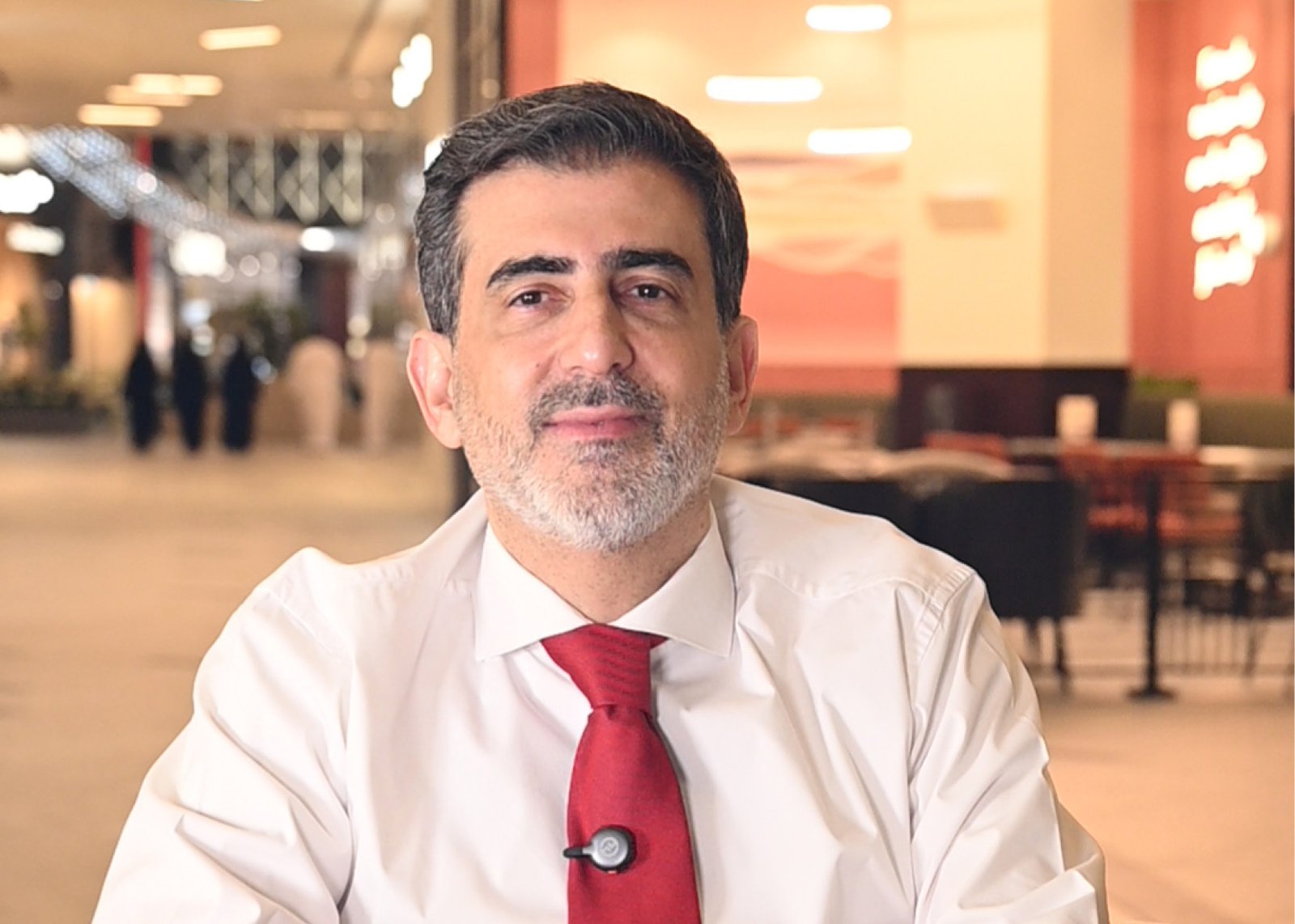
Strategic investor Samer Choucair asserts that the push for a safer internet for children is no longer merely an ethical discussion within the European Union. It has evolved into a comprehensive restructuring of the global technology economy.
Citing recent reporting by The New York Times, Choucair highlights Europe’s leadership in a fundamental transition:
> From an attention-maximization economy → to a user-protection economy
He emphasizes that this shift represents the beginning of a major and investable transformation story.
—
🔹 Regulation Is Targeting the Business Model, Not Just Companies
According to Choucair, new regulations—most notably the Digital Services Act—are not simply targeting companies, but the core profit model of Big Tech.
Key changes include:
Banning targeted advertising for children
Enforcing safety-by-design in platform architecture
Restricting addictive algorithms
Accelerating age verification systems
Potential stricter measures, such as France considering bans for users under 15
Choucair notes that the real implication is the dismantling of one of the most powerful profit engines of the past decade.
—
🔹 Big Tech Under Pressure: A Repricing, Not a Collapse
Choucair points to growing pressure on major technology players such as Meta Platforms, Google, and TikTok, all of which rely heavily on:
Advertising-driven revenue
Data extraction
Engagement-maximizing algorithms
He explains that the impact will likely include:
Lower advertising efficiency
Reduced user engagement time
Higher compliance costs
However, he stresses:
> “This is not a collapse — it is a repricing of a new era.”
He compares this shift to the historical transition from fossil fuels to electricity, where new winners ultimately emerged.
—
🔹 The Rise of Regulation-Driven Markets
Choucair identifies four key opportunity areas emerging from what he calls Regulation-Driven Markets:
1️⃣ Age Assurance Technologies
Companies such as Yoti are leading this space by offering verification solutions without storing sensitive data.
➡️ Expected to become a multi-billion-dollar industry within 3–5 years
—
2️⃣ Ethical AI Infrastructure (AI Safety Layer)
This includes:
Harmful content detection
Behavioral addiction monitoring
Digital psychological protection systems
Choucair describes this as:
> “A new layer of internet infrastructure — not just software”
—
3️⃣ Safe Social Platforms & EdTech
Alternative platforms that:
Avoid addictive algorithms
Prioritize well-being and education
He highlights the Gulf region as a strong emerging player, driven by:
A young population
Cultural alignment
Strategic backing under Vision 2030
—
4️⃣ Digital Privacy & Web3
Technologies that:
Return data ownership to users
Reduce reliance on advertising
Introduce subscription-based models
Choucair emphasizes:
> “This is not a trend — it is a structural response to regulation.”
—
🔹 2026: A Critical Inflection Point
Choucair predicts that 2026 will mark a major turning point, characterized by:
Short-term pressure on Big Tech stocks → creating smart entry opportunities
Rapid rise of safety-focused tech startups
Capital flowing into ethical and regulated technology
He notes that this pattern has already played out in sectors such as:
Clean energy
Electric vehicles
Islamic finance
—
🔹 Lessons from Global Precedents
Choucair draws parallels with previous regulatory waves:
The UK’s Age-Appropriate Design Code → led to new regtech ecosystems
Legal actions against Meta in the U.S.
China’s restrictions on children’s gaming
Conclusion:
> “Regulation does not kill markets — it redistributes profits within them.”
—
🔹 Investment Outlook: Follow the Shift, Don’t Fight It
Choucair concludes with a clear strategic message:
> “The internet is no longer an open space — it is a value-governed system.”
He advises investors to:
Track age verification and AI safety companies
Invest in funds focused on digital ethics
Focus on the Gulf as a future growth hub
—
🔹 Final Insight
Choucair frames the transformation as a historic shift:
> From a user addiction economy → to a human protection and trust economy