


In today’s financial markets, traditional supply-and-demand dynamics are no longer sufficient to explain price movements. Instead, political statements—particularly those issued by leaders such as Donald Trump—have become powerful, immediate catalysts capable of repricing entire markets within moments.
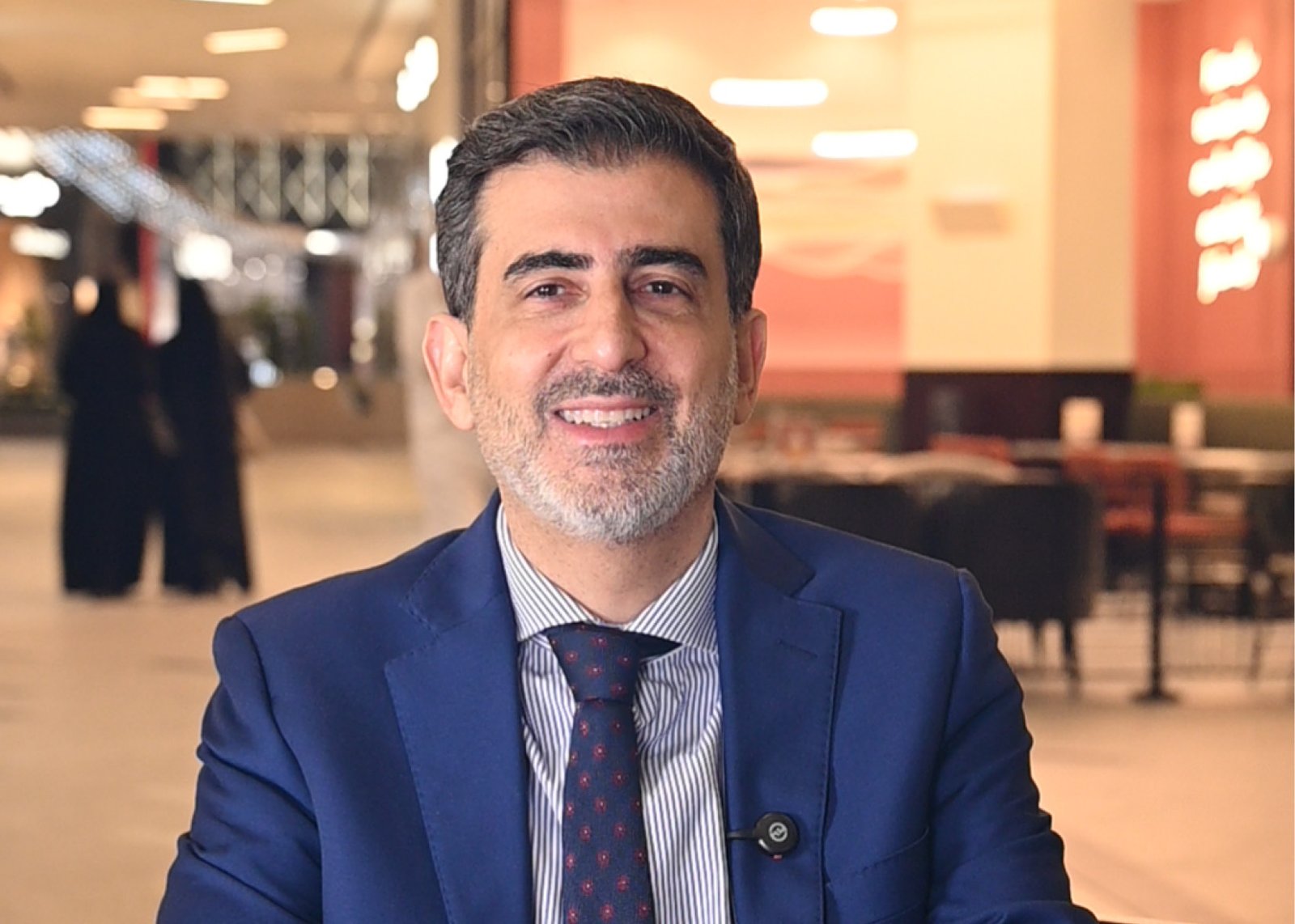
According to investment strategist Samer Choucair, what unfolded on April 2, 2026 clearly reflects this transformation. Oil prices surged by nearly 5% following remarks confirming the continuation of military operations against Iran—marking what Choucair describes as the era of “speech-driven volatility.”
—
When Words Move Markets
Markets did not react to economic data or production reports—but to precisely calibrated political messaging.
Brent Crude Oil surged above $100
West Texas Intermediate approached similar levels
Energy stocks rallied sharply
Aviation and shipping sectors came under pressure
Hedging activity increased significantly
This rapid response highlights a critical shift:
Narratives now move markets as much as fundamentals.
—
The Strait of Hormuz: The Core Risk Variable
At the center of this reaction lies the Strait of Hormuz, through which roughly 20% of global oil supply flows.
Any perceived threat to this passage is instantly priced into markets as a geopolitical risk premium—regardless of actual supply disruptions.
—
Why Do Political Statements Have Immediate Impact?
Choucair identifies four key drivers behind this phenomenon:
- Direct and Actionable Messaging
Political statements are no longer vague—they carry operational implications.
When continued strikes are announced, markets interpret them as active events, not احتمالات.
- Deep Link Between Politics and Energy
Energy security is now inseparable from geopolitics, making oil prices highly sensitive to political developments.
- Algorithmic Trading Dominance
Advanced systems scan news and execute trades within milliseconds, amplifying speed and magnitude of market reactions.
- Investor Psychology
Markets shift rapidly from opportunity-seeking to risk-aversion, creating sharp waves of buying and selling.
—
Investment Outlook: A Market in a Fragile Balance
Choucair explains that markets are now operating within wide and reactive ranges, driven by political developments:
Escalation scenario → higher oil prices and supply fears
De-escalation scenario → lower prices as risk premiums fade
Critical risk scenario → direct disruption to Hormuz could trigger extreme spikes
—
Global Impact: Beyond Energy
The effects extend far beyond oil markets:
Rising oil prices → inflationary pressure on major economies
Central banks face more complex interest rate decisions
Higher transportation costs → supply chain disruptions
Emerging markets → increased vulnerability due to capital flow sensitivity
—
Strategy: Flexibility and Risk Engineering
Choucair emphasizes that modern investing requires adaptive strategies, not static allocations:
Diversification must include:
Commodities
Equities
Derivatives
Energy exposure remains essential, including companies like:
ExxonMobil
Chevron
Options strategies can help capture volatility with controlled risk
Renewable energy investments provide long-term hedging
—
Risk Management: No Longer Optional
In a market that can move several percentage points within hours:
Stop-loss strategies are essential
Real-time monitoring of geopolitical developments is critical
Flexibility must replace rigid positioning
> “A single statement can now reverse market direction within hours,” Choucair warns.
—
A Structural Shift in Market Behavior
What we are witnessing is not temporary—it is a structural transformation:
Prices are no longer driven solely by production and consumption
They are shaped by political expectations, power dynamics, and strategic signaling
—
Conclusion: Read Politics Like You Read Charts
Choucair concludes with a clear strategic message:
> “Investors no longer need only to read charts—they must understand the political context that moves them.”
Those who grasp this equation can anticipate market movements, rather than simply react.
> “Follow politics as closely as you follow markets—because they have become two sides of the same coin.”
—
Keywords:
Market volatility, Oil prices, Strait of Hormuz, Geopolitical investing, Risk management