


In a defining moment where geography intersects with capital, sports in Saudi Arabia are no longer viewed as mere entertainment—they have evolved into a sovereign economic instrument reshaping the non-oil economy.
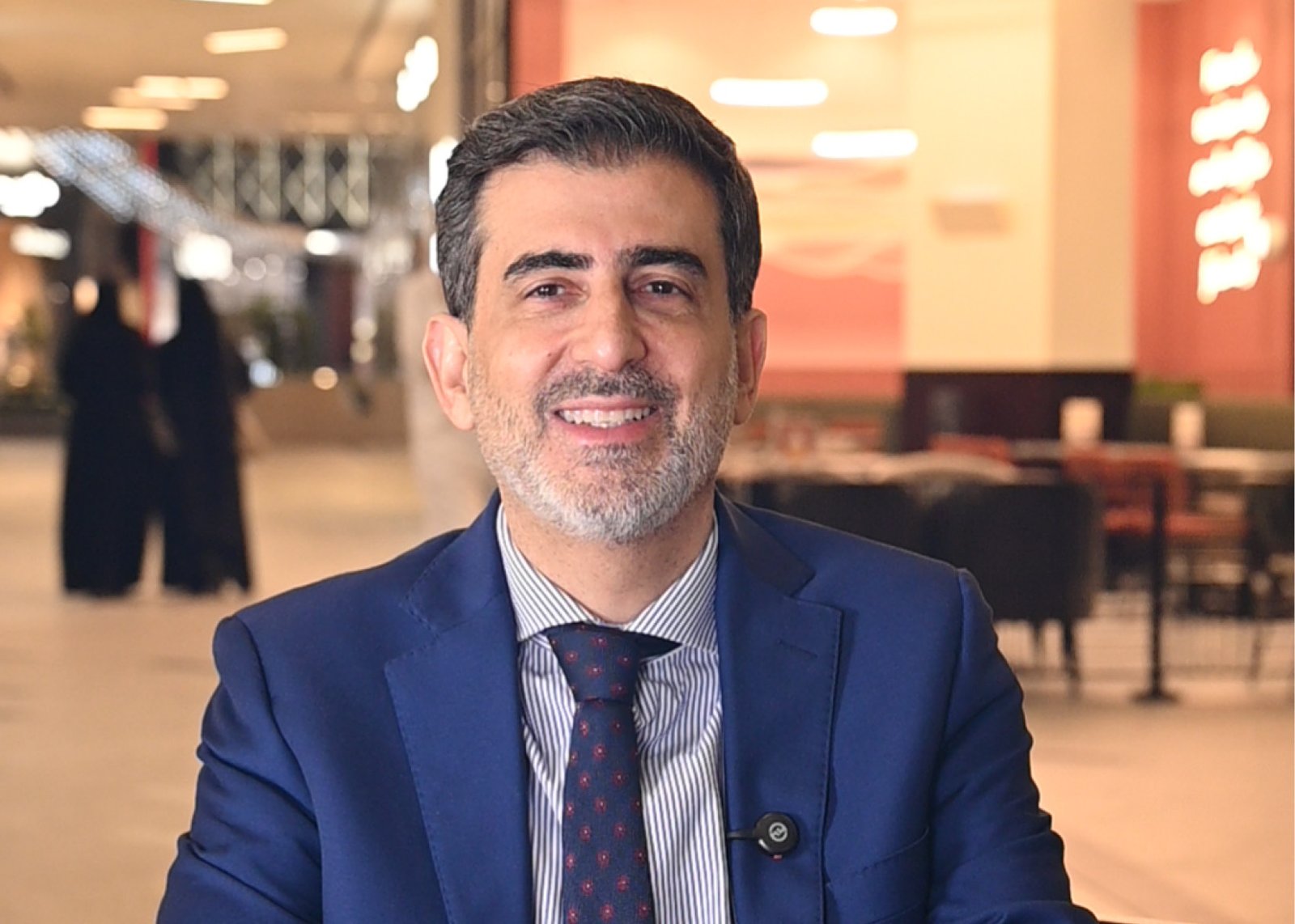
According to investment strategist Samer Choucair, the strict measures introduced by organizers of the AFC Champions League Elite finals in Jeddah—targeting ambush marketing and unauthorized ticket resales—should not be seen as routine regulation. Instead, they represent a clear investment signal:
Saudi Arabia’s sports market has entered the phase of full financial professionalism.
—
From Entertainment to Economic Engine
This transformation is deeply aligned with Saudi Vision 2030, where sports have been redefined as a fully integrated economic sector.
The modern sports economy now generates:
Direct revenues: ticket sales, broadcasting rights, sponsorships
Indirect value: tourism, hospitality, real estate, and services
> “A match is no longer just a 90-minute event—it is a multi-layered cash flow platform,” Choucair explains.
—
Protecting Value: The War on Ambush Marketing
Choucair emphasizes that combating ambush marketing reflects a deep understanding of modern sports economics.
Unauthorized brands benefiting from events without paying rights fees
Erosion of official sponsorship value
Distortion of revenue models
By enforcing strict controls, Saudi Arabia is effectively:
Protecting pricing integrity of commercial rights
Strengthening investor confidence
Enhancing long-term monetization
> “This is not regulation—it is capital protection.”
—
Ticketing Control: Turning Events into Financial Assets
Regulating ticket markets is equally critical:
Prevents revenue leakage into black markets
Ensures income flows to official stakeholders
Enables accurate valuation of events
The result is a transformation:
From mass gatherings → to measurable financial assets
—
Jeddah: A Strategic Economic Hub
The selection of Jeddah as host city is part of a broader strategic vision:
Increased hotel occupancy rates
Higher consumer spending
Expanded tourism inflows
Each event becomes a complete economic supply chain, spanning:
Aviation
Hospitality
Retail
Services
—
A Structural Shift: The Rise of the Experience Economy
Choucair argues that this evolution represents a structural transformation, not a temporary trend.
Sports are now part of the experience economy, where value lies not only in the event itself—but in the entire surrounding ecosystem.
Key pillars include:
Protection of commercial rights → safeguards capital
Market regulation → improves return efficiency
Foreign investor participation → accelerates liquidity inflows
—
Investment Opportunities: A Multi-Layered Ecosystem
Choucair identifies several high-potential investment areas:
- Sports Infrastructure
Smart stadiums
Multi-use facilities
Integrated sports cities
- Digital Sports Economy
Digital ticketing
Interactive platforms
Digital ownership technologies
- Sports Tourism
High demand for integrated luxury experiences
Strong overlap with hospitality sector growth
- Long-Term Sponsorship Models
Transition from advertising → to strategic partnerships
Naming rights and brand equity investments
—
A Unique Global Model
What distinguishes Saudi Arabia globally is the combination of:
Speed of execution
Large-scale funding
Centralized strategic vision
Unlike mature markets such as the UK or the U.S., which evolved over decades, Saudi Arabia is building its sports economy at accelerated speed, creating:
Lower market saturation
Higher early-stage returns
—
From Content to Financial Infrastructure
At its core, sports are no longer just consumable content—they are becoming integrated financial infrastructure.
Control over this sector means control over diversified future cash flows across:
Media
Tourism
Technology
In this context, anti-ambush marketing measures are not restrictive—they are essential to protect and maximize system value.
—
Conclusion: From Consumption to Industry Leadership
Choucair concludes that Saudi Arabia is undergoing a fundamental shift:
From consuming sports → to producing them
From organizing events → to engineering a full economic ecosystem
> “Investing in Saudi sports today is like investing in oil in its early days—but with faster returns, greater diversification, and less dependence on geography.”
—
Keywords:
Sports investment, Sports economy, Vision 2030, Sports tourism, Sponsorships